Japan · Itinerary · Updated September 2026
14 days in Japan without the rail pass
Two weeks is what most people flying from the US or Europe actually take in Japan, and it is enough to leave the Tokyo–Kyoto–Osaka corridor. Every fare, fee and tax below was checked in September 2026, including the two that changed this year.
Length
14 days
Budget
¥324,200 / $2,023
per person, mid-range, no rail pass
Best season
Oct–Nov, Mar–May
Autumn colour or blossom; avoid Golden Week
Stops
7
no domestic flights
The route
Tokyo, then west into the Alps for Takayama and Kanazawa, down to Kyoto and Nara, and along the Sanyo line to Himeji, Hiroshima and Miyajima.
Day by day
Days 1–4 · Tokyo
Four nights, because three is not enough
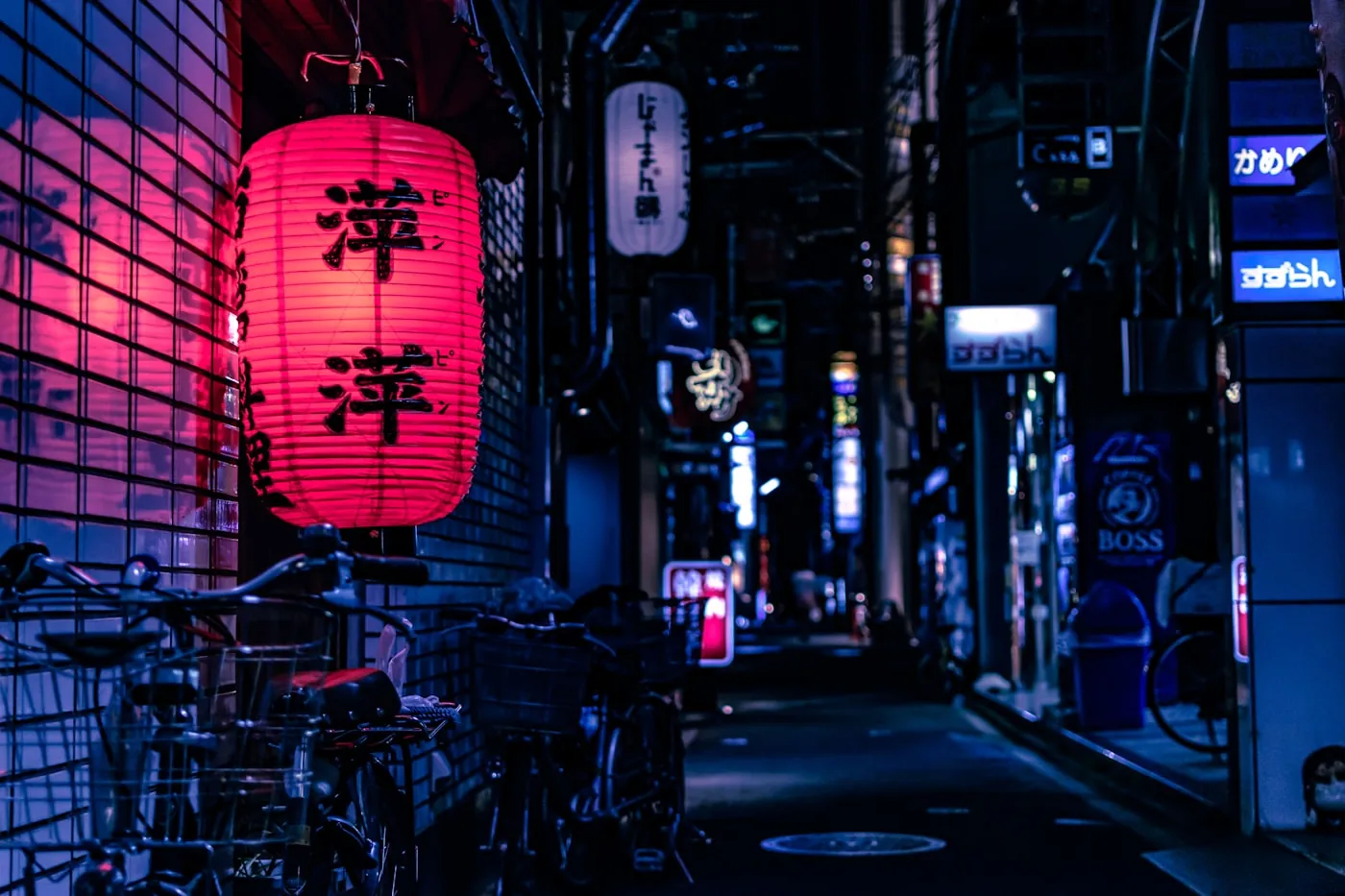
Tokyo is not a city you see, it is a set of districts you pick between. Four nights lets you take one a day without sprinting: Yanaka and Nezu for the old low city, Shimokitazawa or Koenji for secondhand shops and small live rooms, Tsukiji Outer Market early for breakfast, and one evening in Shinjuku's Omoide Yokocho or Golden Gai. Leave the day-trip urge alone. Nikko and Kamakura are real places that deserve their own trip, and cramming them here costs you the city you flew to see.
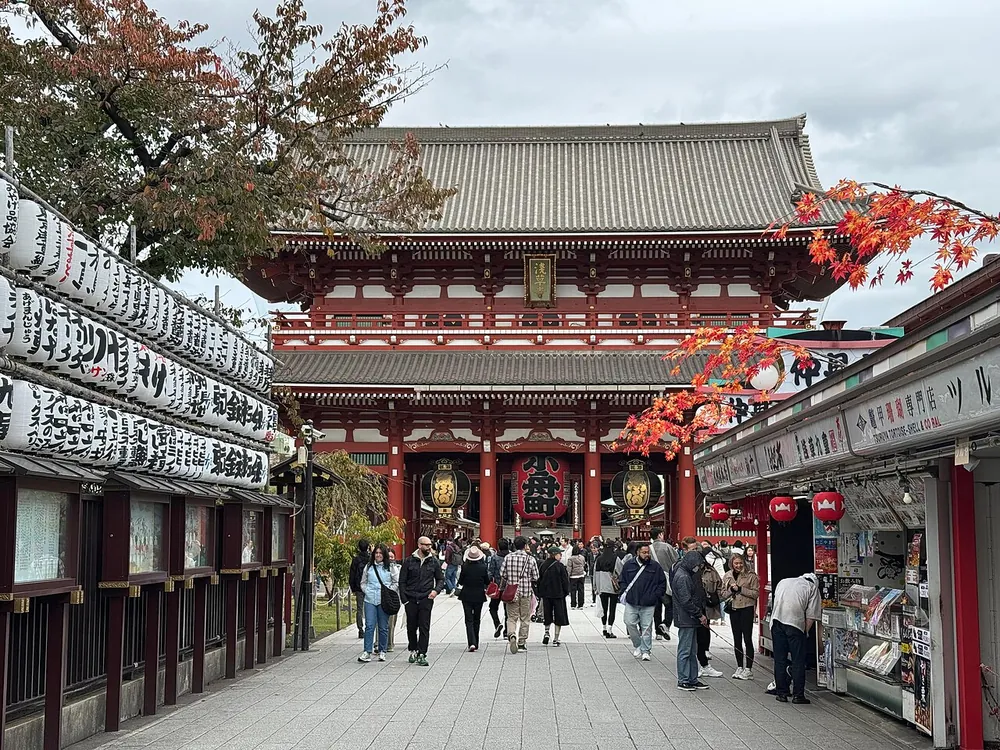
Sleep: Shinjuku or Shibuya for transport, Yanaka for quiet, Asakusa for cheap.
Days 5–6 · Takayama
Into the Alps, and the first place that feels slow
Shinkansen to Nagoya, then the JR Hida limited express up the Kiso valley. About 4h20 in total for roughly ¥16,000, and the second half is one of the best train rides in the country. Takayama's Sanmachi Suji preserves three streets of Edo merchant houses, and the morning markets along the Miyagawa are genuinely for locals until about nine. The Hida Folk Village is the one paid sight worth the walk.
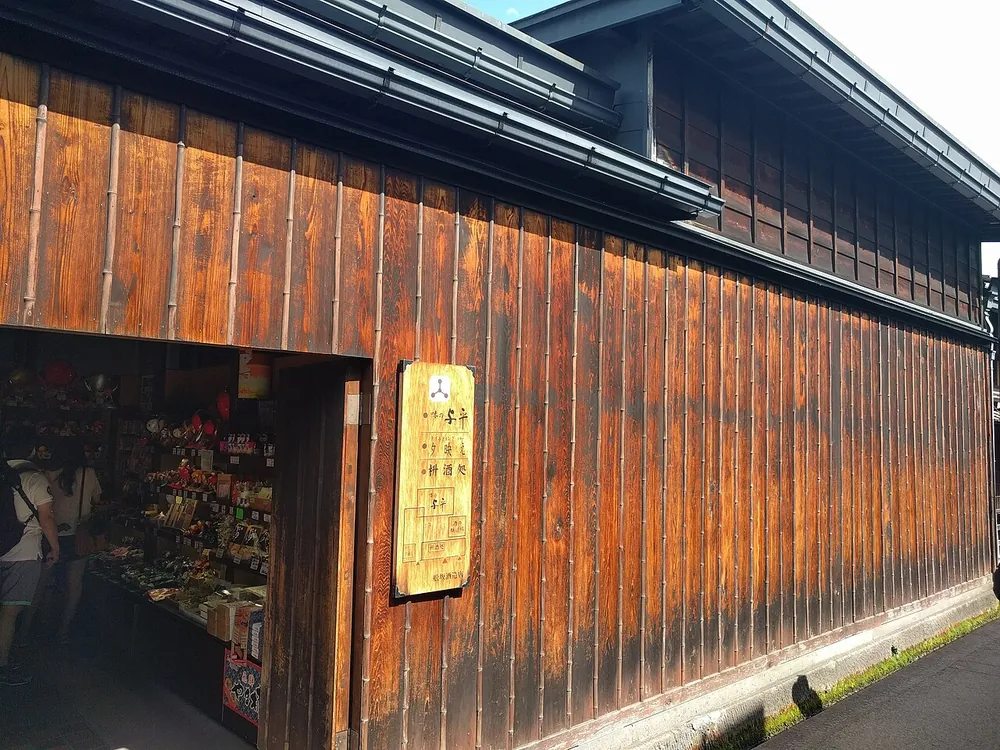
Sleep: Near the station for the buses, or a ryokan in the old town if you only do one.
Days 7–8 · Kanazawa
The city that got Kyoto's crowds' worth of culture and none of the crowds
The Nohi bus from Takayama takes 2h15 for ¥4,200 and most services stop at Shirakawa-go, the thatched-roof village, which turns the transfer into the day's sightseeing. In Kanazawa: Kenroku-en garden at ¥320, the Higashi Chaya teahouse district, the 21st Century Museum, and Omicho market for lunch. Two nights is right, and it is the strongest argument in this itinerary against going straight from Tokyo to Kyoto.
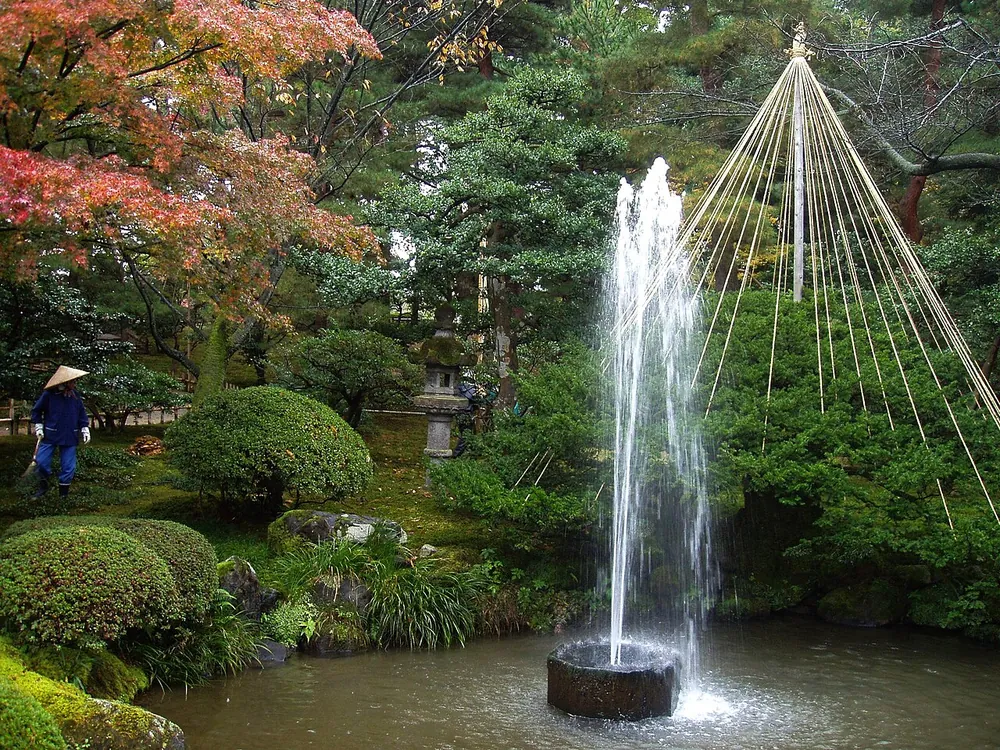
Sleep: Around Korinbo or the station; the city is small enough that either works.
Days 9–11 · Kyoto
Three nights, and go early or go late
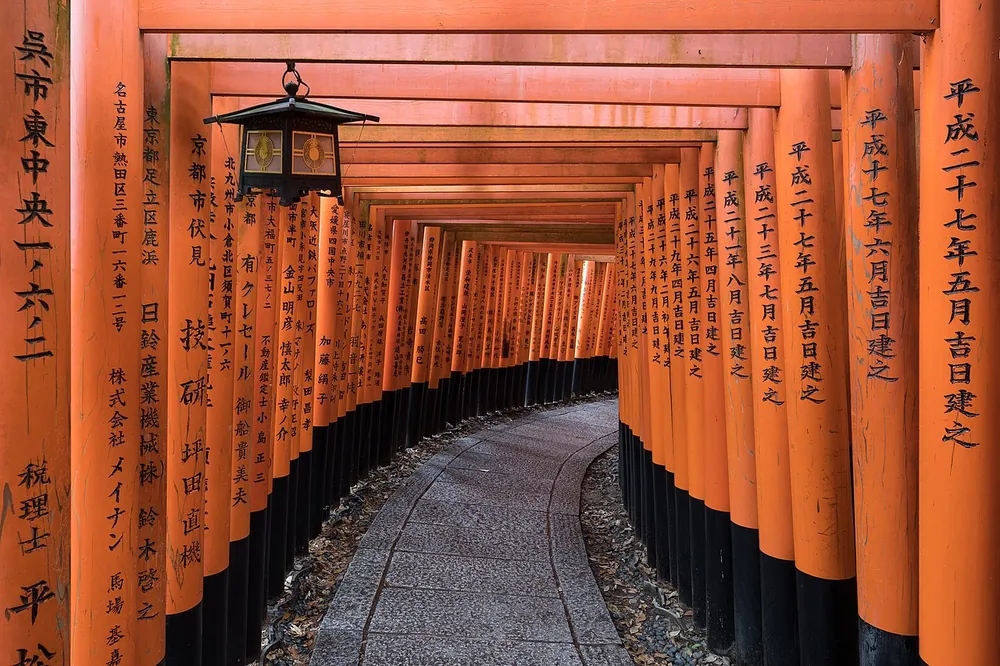
Thunderbird limited express and Hokuriku shinkansen via Tsuruga, about 2h for ¥7,720, or ¥6,500 if you qualify for JR West's Hokuriku One-way Ticket, which is sold to foreign passport holders and covers exactly this route. Fushimi Inari is free and open all night, which is the only way to have the torii tunnels to yourself. Kiyomizu-dera is ¥500 and worth the first entry of the day. Everything else is walking: Gion, Pontocho, the Philosopher's Path, Arashiyama before eight.
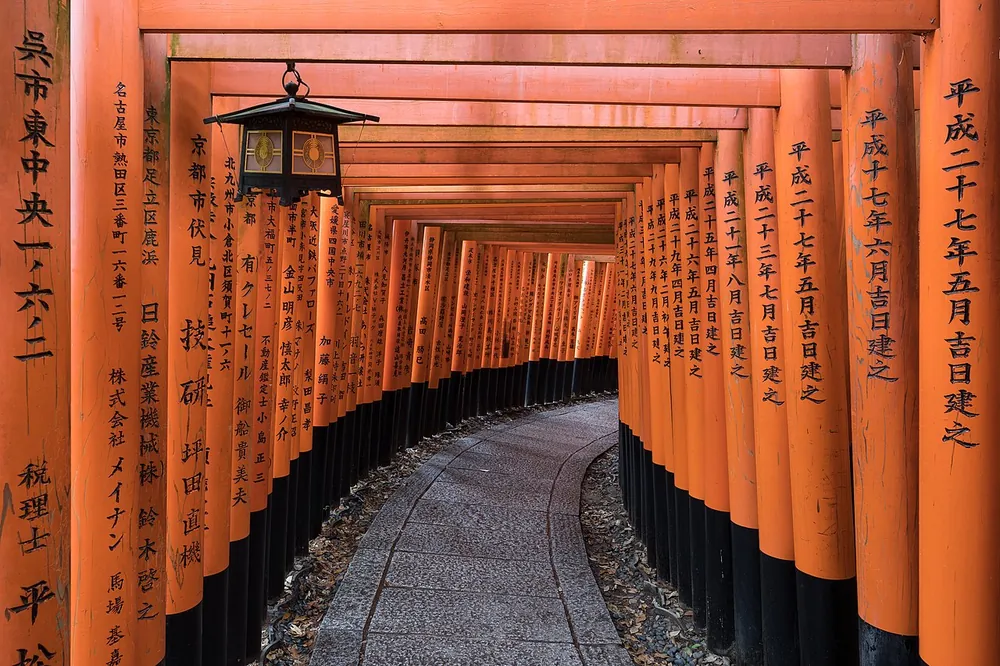
Sleep: Downtown near Karasuma for transport. Note the lodging tax below.
Day 12 · Nara
A day trip that earns the whole day
Forty minutes from Kyoto on the Nara line. Todai-ji's Great Buddha Hall is the largest wooden building most people will ever stand in, Kasuga Taisha is a corridor of stone lanterns, and the deer in the park will take your map. Go on to Osaka for the evening if you want Dotonbori and kushikatsu. It is thirty minutes further and you can still sleep in Kyoto.
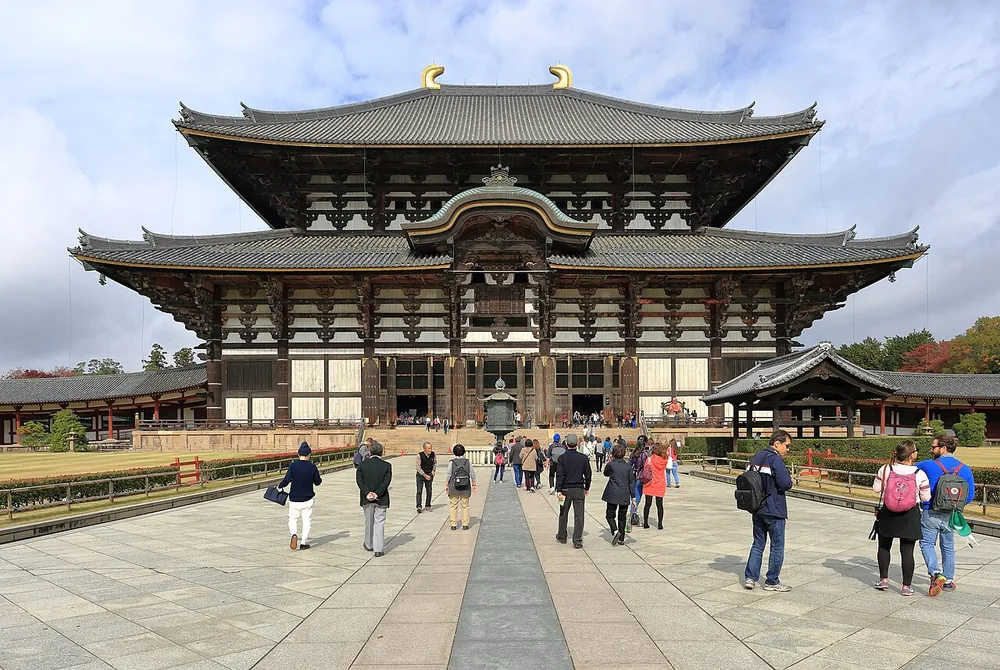
Sleep: Stay in Kyoto. Moving hotels for one night here is not worth the packing.
Day 13 · Himeji
The castle, and a decision about ¥2,500
On the way west, an hour from Kyoto. Himeji is the finest surviving castle in Japan and the only original hilltop keep of its size, but from March 2026 non-resident adults pay ¥2,500 rather than ¥1,000, one of the clearest examples of Japan's new dual pricing. Under-18s are free regardless. Koko-en garden next door is a fraction of that. Bags in a station locker, two hours on site, back on the Sanyo line by mid-afternoon.
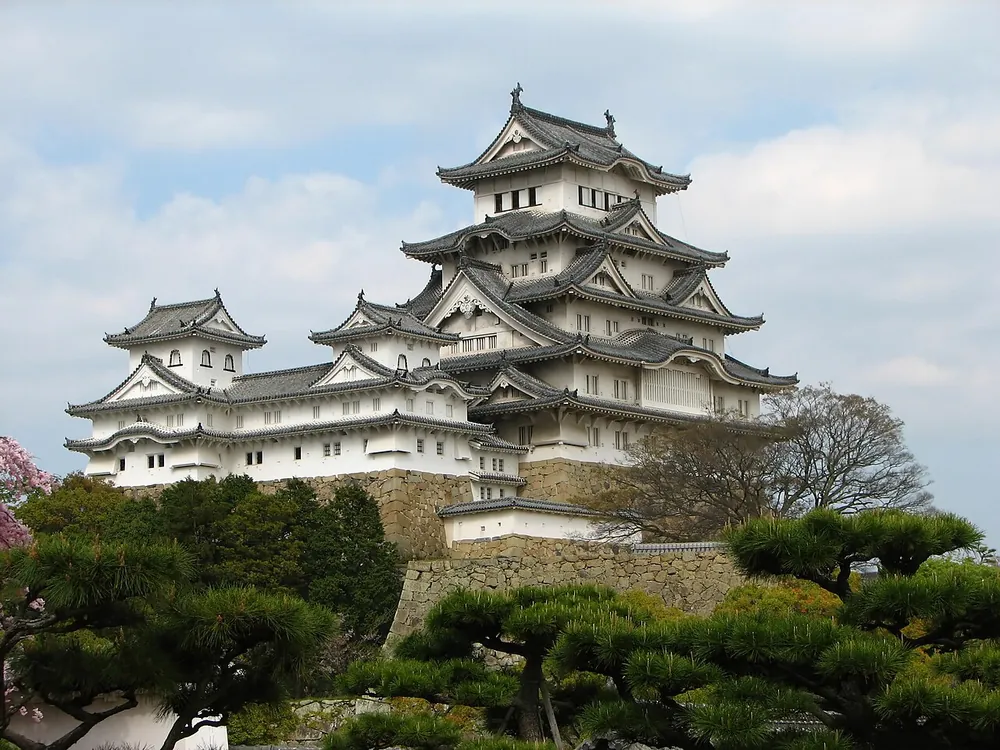
Sleep: Nowhere. This is a stop between Kyoto and Hiroshima, not a night.
Day 14 · Hiroshima & Miyajima
The museum first, the island after
The Peace Memorial Museum is ¥200 and needs two hours you should not try to shorten; go first, before the island, not after. Then the ferry to Miyajima for Itsukushima's floating torii, ¥300 for the shrine plus a ¥180 island visitor tax on arrival. Tide tables decide what you see: high water for the gate appearing to float, low water to walk out to it. Both are worth it; neither is a surprise if you check.
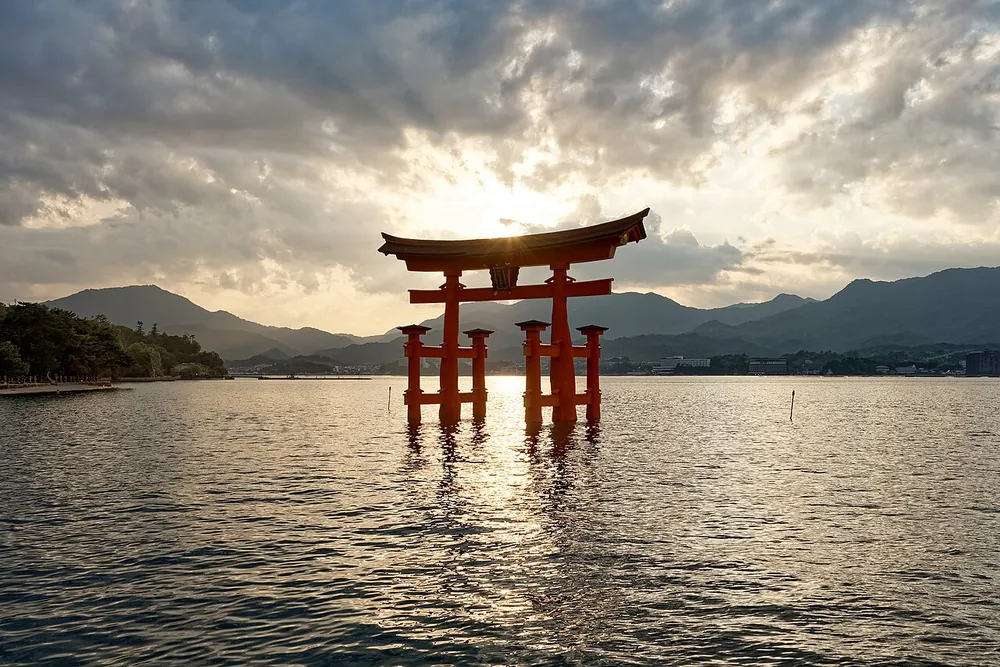
Sleep: Hiroshima near the station or Peace Park, then fly or train onward.
Best things to do on this route
If you cut the trip short, these are the ones to keep.
- 01
Fushimi Inari at night
Free, unstaffed and open twenty-four hours. The only way to walk the torii tunnels without a queue, and the lanterns are lit.
- 02
The JR Hida up the Kiso valley
Nagoya to Takayama, two hours of river gorge. Sit on the right leaving Nagoya.
- 03
Shirakawa-go as a bus transfer
The Takayama–Kanazawa bus stops there. Same fare, and it turns a transit leg into the day's best hour.
- 04
Omicho market, Kanazawa
A working market that happens to do the best sashimi lunch on the route, at market prices.
- 05
Todai-ji's Great Buddha Hall
The scale does not photograph. Go in the first hour and you will have the hall nearly to yourself.
- 06
The Peace Memorial Museum
¥200 and the most important two hours of the trip. Do not schedule anything demanding after it.
- 07
Takayama morning markets
Along the Miyagawa from about seven. For locals until nine, for tourists after.
- 08
Kenroku-en in the first hour
¥320, and one of the three great gardens of Japan. It opens before most people are moving.
Where to stay
Neighbourhoods rather than specific hotels. Prices move, areas don't.
Tokyo: Shinjuku, Shibuya or Yanaka
Shinjuku and Shibuya buy transport; Yanaka and Asakusa buy quiet and a lower rate. Business hotels are the practical mid-range everywhere.
Takayama: old town ryokan
If you stay in one ryokan on this trip, make it here rather than Kyoto: half the price, and dinner is included and better.
Kanazawa: Korinbo or the station
The city is small enough that either works. The station side is cheaper and ten minutes from everything by bus.
Kyoto: downtown near Karasuma
Central, on two subway lines, and walkable to Gion. Kyoto is the most expensive bed on the route and now carries the steepest lodging tax.
Hiroshima: station or Peace Park
One night only, so pick for your onward connection rather than the view.
What it cost
Per person, 14 days. International flights not included.
| Category | Cost |
|---|---|
| Accommodation: 13 nights | ¥143,000 / $892 |
| Food and drink | ¥77,000 / $480 |
| Intercity transport: point-to-point tickets, no pass | ¥57,000 / $356 |
| Local transport and day trips | ¥12,000 / $75 |
| Activities and entry fees | ¥15,000 / $94 |
| Lodging tax and the ¥3,000 departure tax | ¥8,200 / $51 |
| SIM, laundry, coin lockers, everything else | ¥12,000 / $75 |
| Total | ¥324,200 / $2,023 |
Converted at ¥160.27 to the dollar, checked 2 September 2026. The yen is weak, which is most of why Japan reads cheaper than its reputation. That works out at about ¥23,000 a day, at the lower edge of the ¥23,900–39,850 band mid-range travel here usually runs to, because this itinerary buys no rail pass. The intercity line is the sum of the actual fares below. Accommodation and eating are averages across the route, not quotes.
Getting around
The rail pass does not pay on this route
A 14-day Japan Rail Pass is ¥80,000, rising to ¥84,000 on 1 October 2026. The point-to-point fares on this itinerary (Tokyo to Takayama ¥16,000, Kanazawa to Kyoto ¥7,720, Kyoto to Hiroshima ¥10,770, Hiroshima back to Tokyo ¥18,380) come to about ¥53,000, and local trains take the total near ¥61,000. The pass loses by roughly ¥19,000, and by ¥23,000 after the October rise. It also would not cover the Takayama to Kanazawa bus at all.
When the pass does pay
Fast, wide-ranging trips: Kyushu or Hokkaido, or several long legs inside one week. On the plain Tokyo–Kyoto round trip it is ¥27,000 of tickets against ¥50,000 for the 7-day pass, so the Golden Route does not justify it either. If you are buying one anyway, buy before 1 October. The old price holds for travel after it.
Nozomi costs extra even with a pass
The pass covers Hikari and Sakura services outright, but the fastest Nozomi and Mizuho trains carry a supplement on top: ¥4,960 between Tokyo and Kyoto or Shin-Osaka, ¥6,500 Tokyo to Hiroshima. The slower services run the same lines and cost nothing extra.
Buses fill the gaps rail does not
Takayama to Kanazawa is ¥4,200 for 2h15 on the Nohi bus, most services calling at Shirakawa-go. Takayama to Tokyo direct is ¥8,000 by day or ¥9,000 overnight. Neither is JR, so neither is covered by any rail pass.
Regional tickets beat the national pass
JR West sells a Hokuriku One-way Ticket to foreign passport holders that covers Kyoto to Kanazawa on the Thunderbird and Hokuriku shinkansen for ¥6,500 against ¥7,720 walk-up. Most regions have an equivalent, and stacking two or three of them is usually cheaper than the national pass.
Photos
Packing notes
The things that are annoying to find locally, or that people forget.
- Cash. Japan is far more card-friendly than it was, but small restaurants, temple entries, coin lockers and rural buses are still cash-only. 7-Eleven ATMs take foreign cards reliably.
- Shoes you can take off one-handed. You will do it several times a day, in temples, ryokan and some restaurants.
- A day bag small enough for a station coin locker. Lockers are everywhere and are how you do Himeji or Nara without dragging luggage.
- An IC card, Suica or Pasmo, and both now exist as phone passes. It covers subways, buses and convenience stores nationwide.
- Layers rather than a coat. Trains, malls and restaurants are heated hard in winter and chilled hard in summer.
- A folding umbrella. Cheaper to bring than to buy the fourth clear plastic one.
- Your passport, every day. It is required for tax-free purchases and for the regional rail tickets sold only to foreign visitors.