Italy · Itinerary · Updated September 2026
7 days in Italy: Rome and Florence, one train apart
A week in Italy is two cities. The country is small enough to tempt you into four, and the trains are fast enough to make it look sensible, which is how people come home having queued in four places. Prices checked September 2026.
Length
7 days
Budget
€1,210 / $1,403
per person, mid-range
Best season
Apr–Jun, Sep–Oct
August is hot, expensive and half-shut
Stops
3
2 bases, 1 train, no car
The route
Three nights in Rome, ninety minutes north on the high-speed line, three nights in Florence.
Day by day
Days 1–3 · Rome
Three nights, and one of them lost to the flight
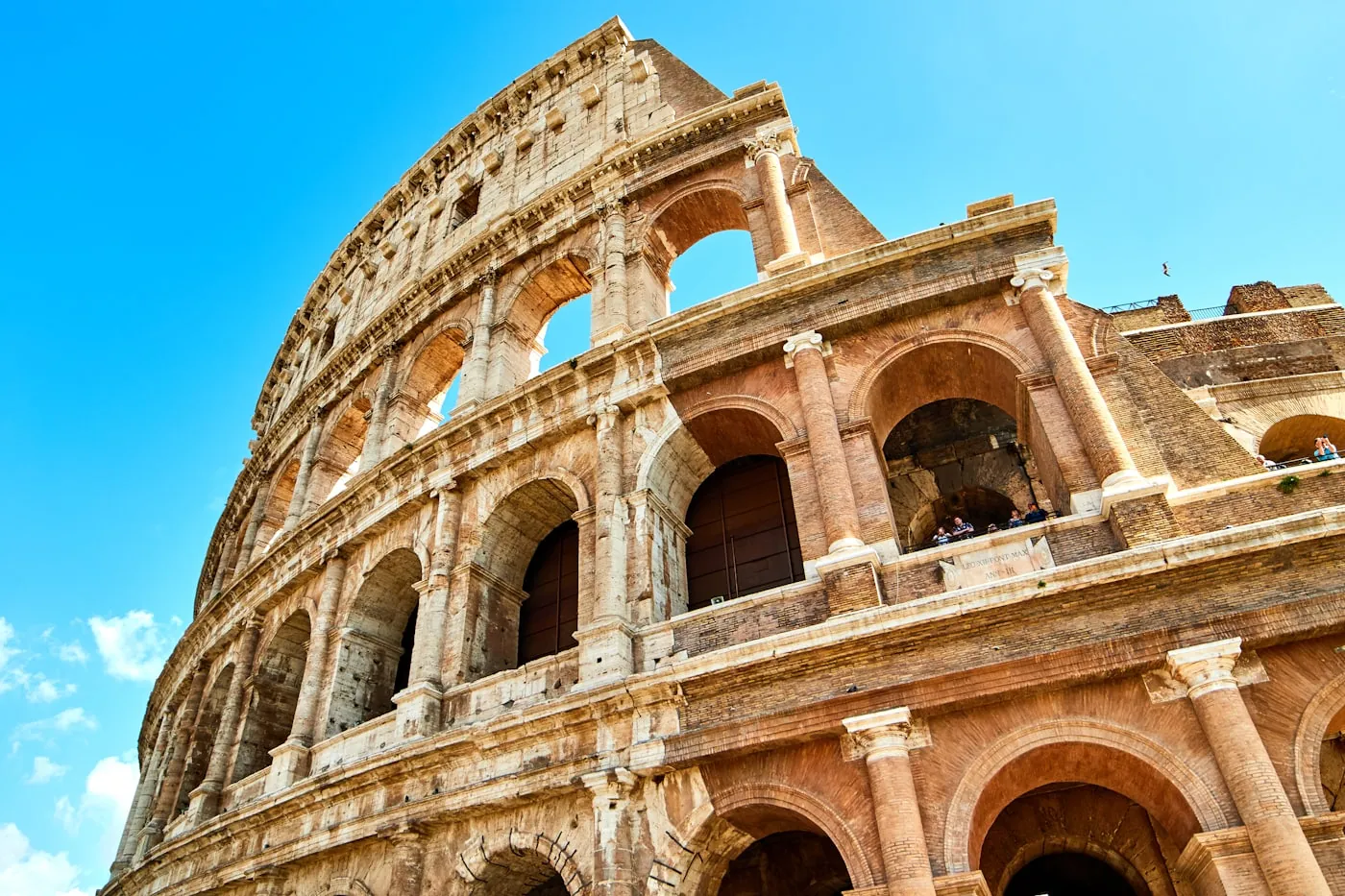
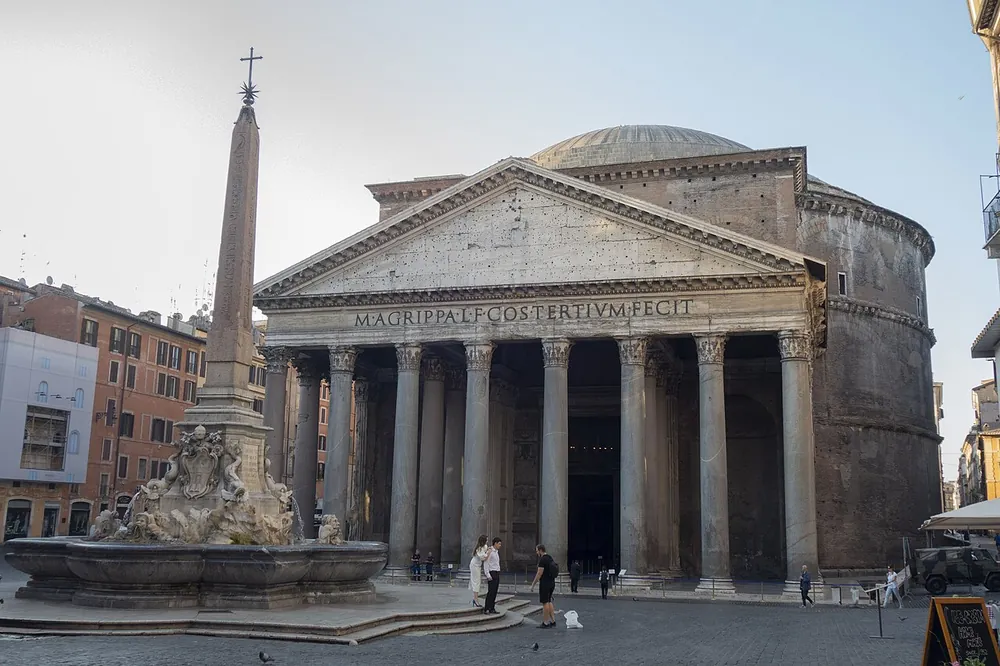
Day one is arrival. Eat in Trastevere and walk to the Pantheon after dark, when it is free and nearly empty. Day two is ancient Rome on a single €18 ticket that covers the Colosseum, the Roman Forum and Palatine Hill for 24 hours; start at the Forum, finish at the Colosseum late when the light is better and the crowd has gone. Day three is the Vatican Museums, €20 plus a €5 booking fee, booked before you fly. The queue without a timed ticket runs to hours.
Sleep: Monti to walk to the Forum, Trastevere to eat, Prati for the Vatican.
Days 4–6 · Florence
Three nights, and the Uffizi after four
Rome to Florence is about ninety minutes, €19.90 booked ahead against €55 on the day. The Uffizi is €25 same-day or €29 in advance, but the afternoon ticket drops to €16 from 4pm, or €20 bought before you travel, and it is emptier then than at any point earlier. The Accademia for the David needs booking. The Bargello and Santa Croce do not, and neither has a queue worth the name.
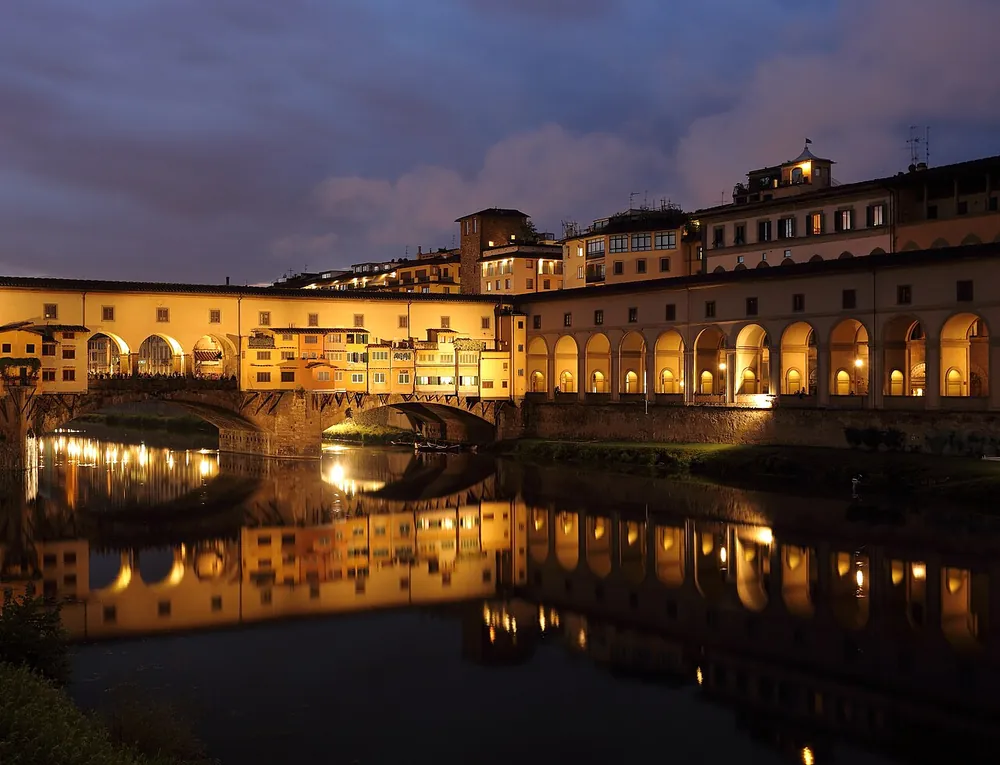
Sleep: The Oltrarno, across the river: five minutes from everything, half the noise.
Day 7 · Florence airport
Out from the north
Florence's airport is fifteen minutes from the centre by tram, so the last morning is a real one, the Mercato Centrale for breakfast, or the climb up to Piazzale Michelangelo for the view everyone photographs from below. Book open-jaw, into Rome and out of Florence; it usually costs the same as a return and saves you the leg back.
Sleep: Nowhere. This is the day you leave.
Best things to do on this route
If you cut the trip short, these are the ones to keep.
- 01
The Uffizi after 4pm
€16 on the door against €25 in the morning, and noticeably emptier. The single best-value decision in Florence.
- 02
One ticket, three ancient sites
€18 covers the Colosseum, Roman Forum and Palatine Hill for 24 hours. Most visitors buy it and use a third of it.
- 03
The Pantheon after dark
Free, open late on many evenings, and almost empty once the day crowd has gone.
- 04
Piazzale Michelangelo at sunset
A twenty-minute climb from the Oltrarno for the view of Florence that every postcard uses.
- 05
Trastevere on a weekday evening
Across the river from the monuments, and the part of Rome that still feels lived in.
Where to stay
Neighbourhoods rather than specific hotels. Prices move, areas don't.
Rome: Monti or Trastevere
Monti walks to the Forum; Trastevere eats better and is louder. On three nights, walking distance is worth paying for.
Florence: the Oltrarno
Across the river, five minutes from the Uffizi, and a fraction of the centre's noise and price.
What it cost
Per person, 7 days. International flights not included.
| Category | Cost |
|---|---|
| Accommodation: 6 nights | €570 / $661 |
| Food and drink | €420 / $487 |
| Activities and entry fees | €100 / $116 |
| Local transport | €40 / $46 |
| SIM, laundry, everything else | €35 / $41 |
| City tourist taxes | €25 / $29 |
| Intercity train | €20 / $23 |
| Total | €1,210 / $1,403 |
Converted at €1 = $1.1593, checked 2 September 2026. About €173 a day, the lowest of the Italy routes, because with two bases there is exactly one intercity fare, €20, and no third or fourth hotel change. Accommodation and eating are two-thirds of the total, which is what a short Italian trip actually costs money on.
Getting around
One train, booked early
Rome to Florence is €19.90 in advance and €55 on the day. It is the only intercity journey on this route, so there is no excuse for paying the walk-up fare. Italo and Frecciarossa both run it; Italo starts lower at €14.90.
Book open-jaw
Into Rome, out of Florence. It usually costs within a few percent of a return and hands back most of your last day. On a seven-day trip that is a seventh of the holiday.
No car, and no day trips
Both cities are walkable and neither needs one. Pisa, Siena and the Tuscan hill towns are all real temptations and all wrong here: a day trip out of a three-night stay costs a third of that city.
Packing notes
The things that are annoying to find locally, or that people forget.
- Shoulders and knees covered for churches. St Peter's and the Duomo both turn people away, and the ponchos sold outside cost more than a scarf.
- Shoes for cobbles. Both cities are uneven stone and you will do 20,000 steps a day.
- A refillable bottle. Rome's nasoni fountains run cold and free across the city.
- Timed tickets booked before you fly: Colosseum, Vatican, Uffizi, Accademia, the Duomo climb. All sell out in season.
- Some cash for small trattorias, though card works nearly everywhere now.
Why two cities and not three
Rome to Florence is ninety minutes, Florence to Venice about two hours. On paper a week holds all three. In practice each move costs a morning to pack, check out, travel and check in, and each city then gets two usable days instead of three, which in Rome means choosing between the Vatican and ancient Rome, and in Venice means seeing it only in the middle of the day.
Three nights is the number where a city stops being a checklist. It gives Rome one day for the Colosseum and Forum, one for the Vatican, and one for the parts that need no ticket. Two nights gives it the first two and nothing else.
What to add first, if you find more days
Ten days adds a fourth night in Rome and two in Siena: hill towns, a cathedral floor nobody photographs properly, and the only part of an Italian itinerary with nothing to queue for. Fourteen adds Naples, Pompeii and Venice on top.
The order matters: the fourth Rome night is worth more than a third city, and Tuscany is worth more than either.