Italy · Itinerary · Updated September 2026
14 days in Italy: Rome, Naples, Florence, Siena and Venice
Two weeks is enough for Italy to stop being a list of cities, provided you put something between them. Every fare, ticket price and tourist tax below was checked in September 2026, including the ones that changed this year.
Length
14 days
Budget
€2,560 / $2,968
per person, mid-range
Best season
Apr–Jun, Sep–Oct
August is hot, expensive and half-shut
Stops
6
5 bases, no car needed
The route
Rome, then south to Naples and Pompeii, north to Florence, two nights in Tuscany, and Venice last.
Day by day
Days 1–4 · Rome
Four nights, because three means queueing
The Colosseum ticket is €18 and covers the Roman Forum and Palatine Hill on the same 24-hour pass, so treat those three as one long day rather than three visits. The Vatican Museums are €20 plus a €5 online booking fee. Book them, the queue without a timed ticket is genuinely hours. That leaves two days for the parts of Rome that are free: Trastevere in the evening, the Pantheon, the Appian Way on a Sunday when it closes to traffic.
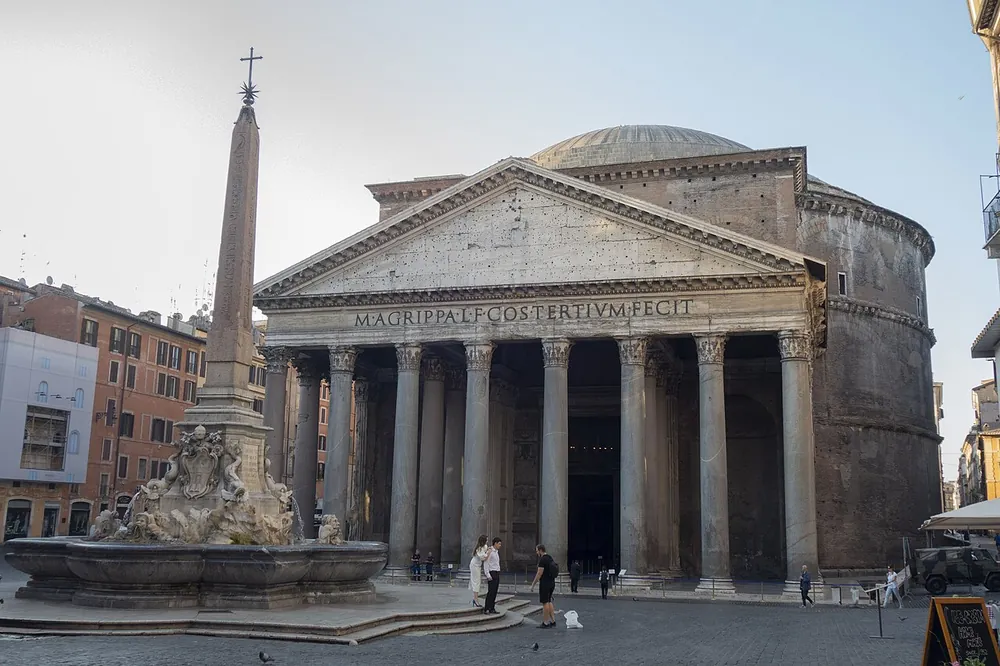
Sleep: Monti or Trastevere to walk everywhere; Prati if the Vatican is your priority.
Days 5–6 · Naples
The city everyone skips and shouldn't
Rome to Naples is about an hour and ten on the high-speed line, from €14.90 on Italo or €19.90 on Frecciarossa if you book ahead. Naples is louder, poorer and better at food than anywhere else on this route. The Archaeological Museum holds everything good that was dug out of Pompeii, which is why it is worth doing before the site rather than after.
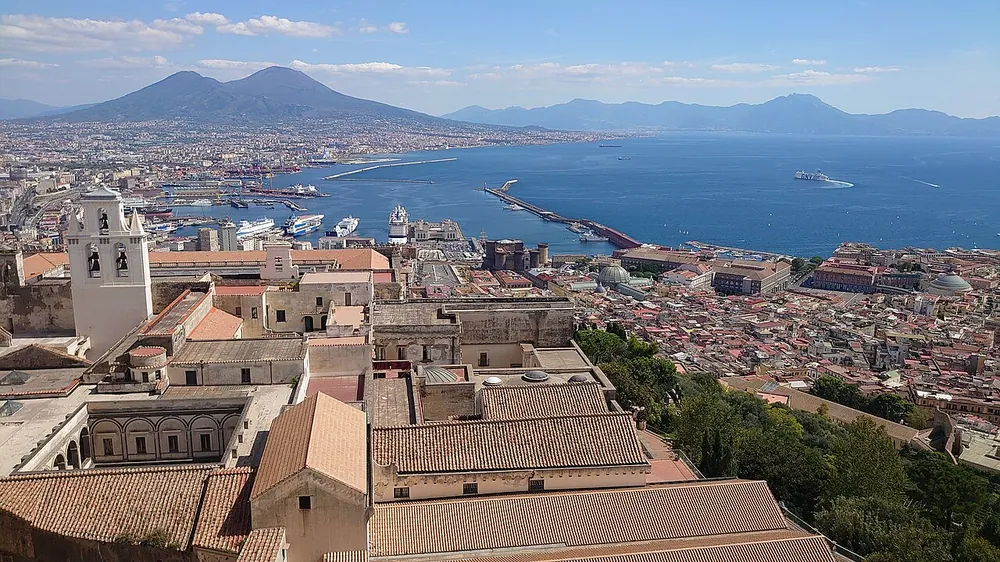
Sleep: Chiaia for quiet, the centro storico for noise and better pizza.
Day 6 · Pompeii
Half a day, and the museum first
Twenty-five minutes on the Circumvesuviana from Naples. Tickets are €20 for Pompeii Express or €25 for Pompeii+, which adds the outlying villas. Go early. There is almost no shade, and by midday in summer the site is punishing. Having seen the frescoes and mosaics in Naples first, you will know what the empty rooms used to hold.
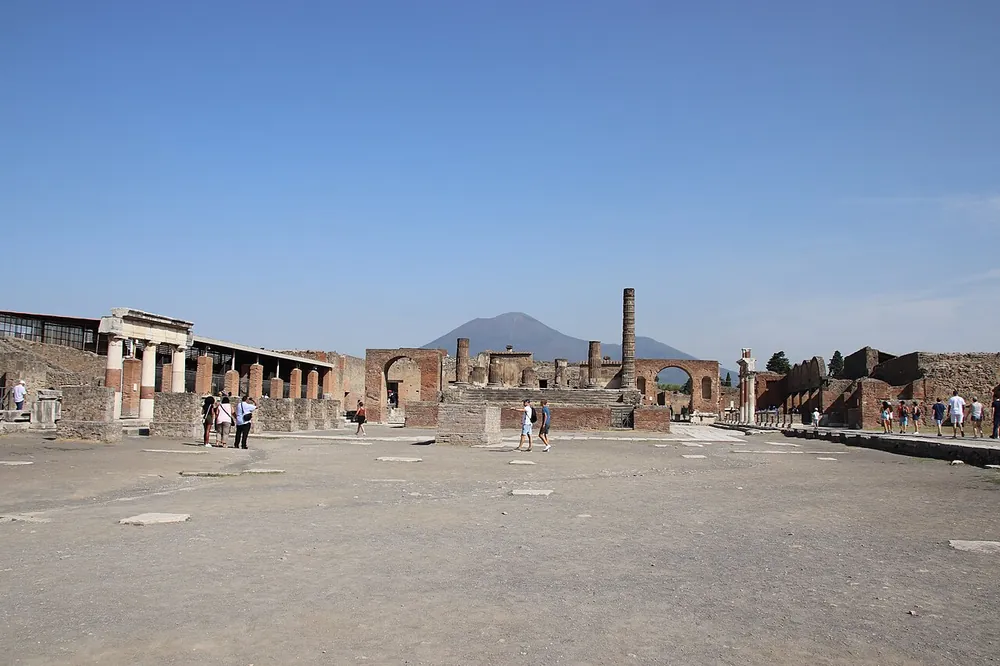
Sleep: Back in Naples. Pompeii town is not worth a night.
Days 7–9 · Florence
Three nights, and book the Uffizi for the afternoon
Naples to Florence is about three hours direct. The Uffizi is €25 on the day or €29 booked ahead, but the official afternoon ticket drops to €16 from 4pm, or €20 bought in advance, and the galleries are emptier then than at any point in the morning. That single choice pays for a dinner. The Duomo climb needs booking; the Bargello and Santa Croce do not.
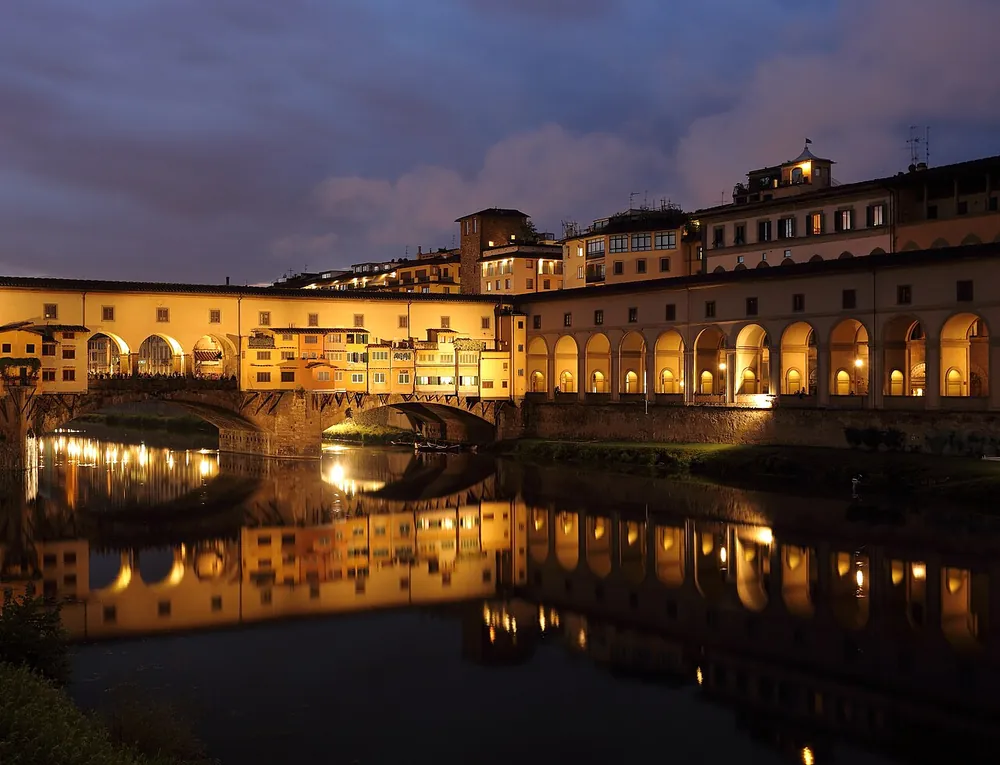
Sleep: Oltrarno, across the river, five minutes from everything and half the noise.
Days 10–11 · Siena & the Val d'Orcia
The two nights that stop this being a city tour
A bus from Florence, faster than the train because Siena's station sits below the town. This is the part of the itinerary that most fourteen-day plans drop in favour of another city, and it is the reason the trip resolves: two days of hill towns, a Gothic cathedral with a floor nobody photographs properly, and the first food on the route that is not competing with a monument.
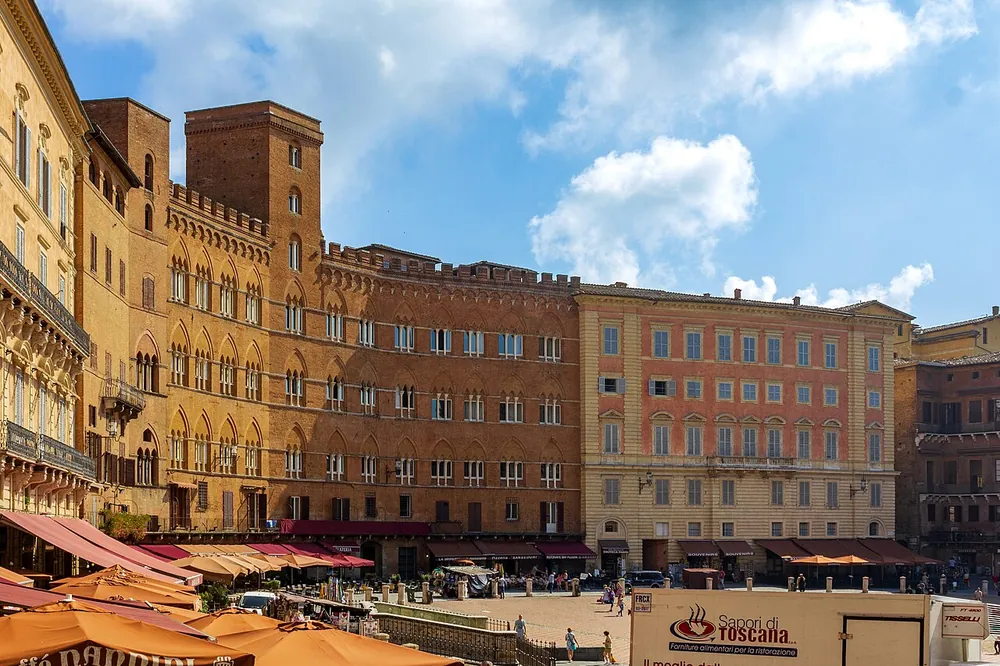
Sleep: Inside the walls. Siena empties after the day trippers leave and that is the point.
Days 12–14 · Venice
Three nights, and stay the night to skip the fee
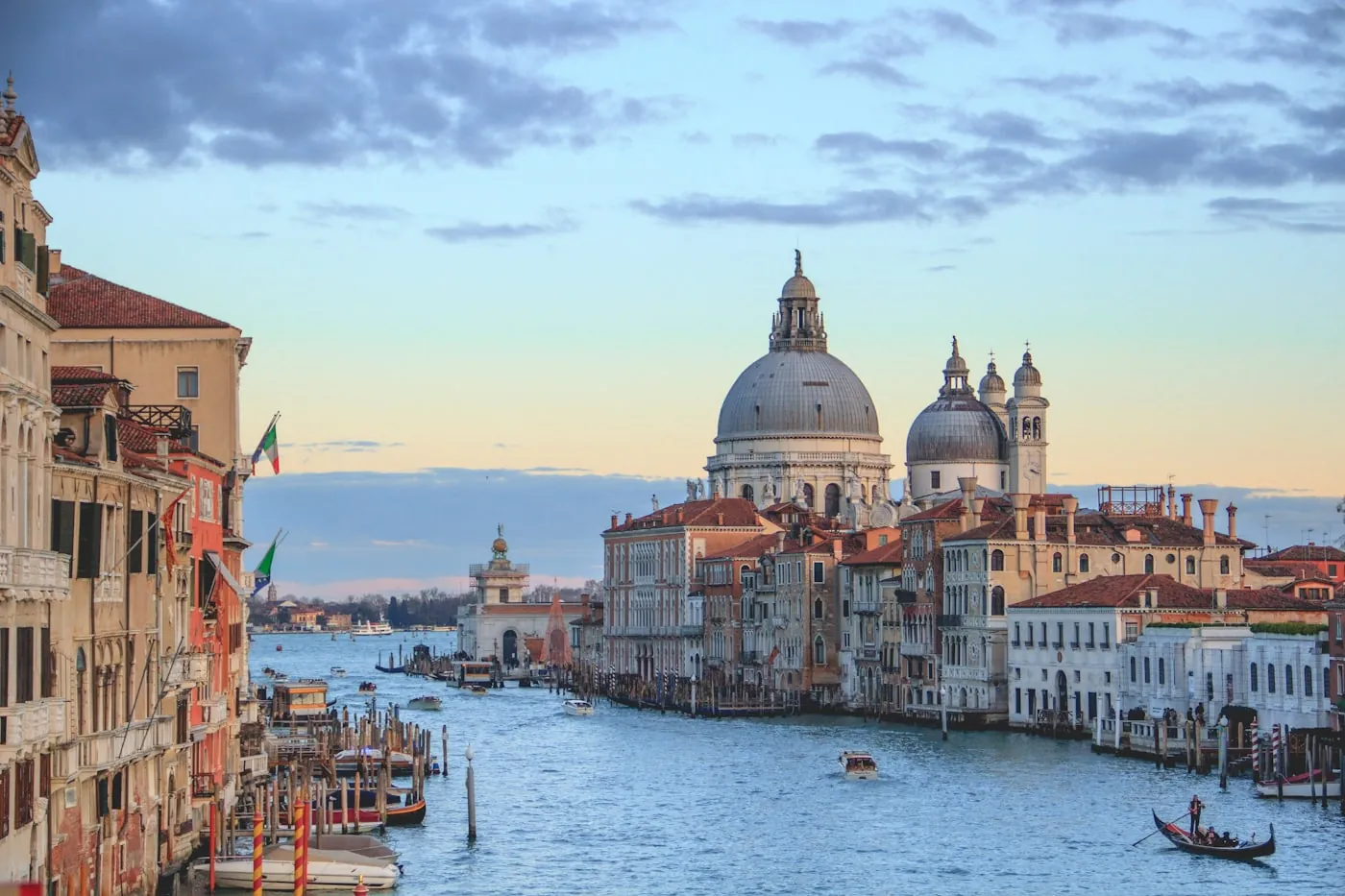
Venice charges day-trippers an access fee in 2026 (€5 registered more than four days ahead, €10 later) on about sixty days between April and July, applying 8:30am to 4pm. **Overnight guests are exempt.** Since this itinerary sleeps here three nights, it does not apply, which is worth knowing rather than discovering at a turnstile. Do Venice at dawn and after seven; the middle of the day belongs to the cruise ships.
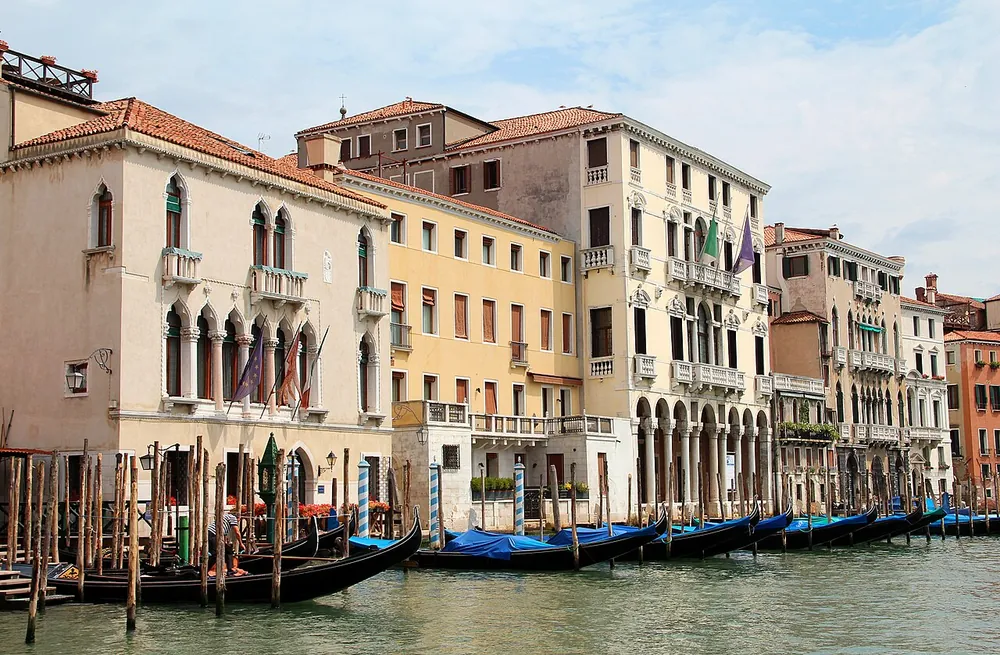
Sleep: Cannaregio or Dorsoduro, not San Marco. Overnight stays also exempt you from the access fee.
Best things to do on this route
If you cut the trip short, these are the ones to keep.
- 01
The Uffizi after 4pm
€16 on the door against €25 in the morning, and noticeably emptier. The single best-value decision in Florence.
- 02
Naples Archaeological Museum before Pompeii
Everything portable from Pompeii is here. Seeing it first turns the site from empty rooms into a place people lived.
- 03
One Colosseum ticket, three sites
€18 covers the Roman Forum and Palatine Hill for 24 hours. Most people pay it and use a third of it.
- 04
Siena after the day trippers leave
The Campo at nine in the evening, with the town to the people who live in it.
- 05
Venice at dawn
Between six and eight it is a working city rather than a queue. This is the only reason to sleep there.
- 06
The Appian Way on a Sunday
Closed to traffic, free, and the only place in Rome where you can walk on the original stones without a ticket.
Where to stay
Neighbourhoods rather than specific hotels. Prices move, areas don't.
Rome: Monti or Trastevere
Monti is central and walkable to the Forum; Trastevere eats better and is louder. Prati only if the Vatican is the priority.
Naples: Chiaia or the centro storico
Chiaia is calm and near the sea; the old centre is neither, and the pizza is better for it.
Florence: the Oltrarno
Across the river, five minutes from the Uffizi, and a fraction of the noise of the centre.
Siena: inside the walls
The town belongs to residents once the coaches go. Staying outside the walls forfeits the entire reason to come.
Venice: Cannaregio or Dorsoduro
Residential, walkable, and far cheaper than San Marco. Staying overnight anywhere in Venice also exempts you from the access fee.
What it cost
Per person, 14 days. International flights not included.
| Category | Cost |
|---|---|
| Accommodation: 13 nights | €1,235 / $1,432 |
| Food and drink | €840 / $974 |
| Activities and entry fees | €180 / $209 |
| Intercity trains and buses | €100 / $116 |
| Local transport | €80 / $93 |
| City tourist taxes | €55 / $64 |
| SIM, laundry, everything else | €70 / $81 |
| Total | €2,560 / $2,968 |
Converted at €1 = $1.1593, checked 2 September 2026. About €183 a day, inside the €130–200 band mid-range travel in Italy runs to. The line that surprises people is transport: €100 covers every intercity journey on this route, because Italy's high-speed network is cheap if booked ahead and ruinous if not. Rome to Venice is €29.90 in advance and €99 on the day.
Getting around
Book the trains early or pay triple
Rome to Florence is €19.90 booked ahead and €55 on the day. Rome to Venice is €29.90 ahead and €99 on the day. Italo and Frecciarossa run the same routes and compete, so check both. Italo starts at €14.90 on Rome to Florence and Rome to Naples.
No car, anywhere on this route
Every city here is walkable and every leg is a train or a bus. A car in Italy means ZTL fines you receive by post months later, parking you cannot find, and nothing gained. Siena is reached by bus from Florence, which is faster than the train because the station sits below the town.
Venice's access fee, and how it does not apply to you
€5 if you register more than four days ahead, €10 nearer the time, charged 8:30am to 4pm on roughly sixty days between April and July, Fridays to Sundays from 3 April to 26 July, plus some full weeks. Overnight guests are exempt. Anyone sleeping in Venice, as this itinerary does, pays nothing.
The Circumvesuviana to Pompeii
Twenty-five minutes from Naples, cheap, and not a pleasant train. Go early, keep bags small and your phone in a front pocket.
Photos
Packing notes
The things that are annoying to find locally, or that people forget.
- Shoulders and knees covered for churches. St Peter's and the Duomo both turn people away, and the paper ponchos on sale outside cost more than a scarf.
- Shoes for cobbles, not fashion. Rome, Siena and Venice are all uneven stone and you will do 20,000 steps a day.
- A refillable bottle. Rome's nasoni fountains run cold and free all over the city.
- Timed tickets booked before you fly: Colosseum, Vatican, Uffizi, the Duomo climb. Every one of them sells out in season.
- A card and some cash. Italy is card-friendly now, but small trattorias, the Circumvesuviana and market stalls still prefer notes.
- Nothing you would mind losing on the Circumvesuviana or around Termini after dark.
Why Siena is on this route and Milan is not
Because the mistake in most two-week Italy plans is not going too fast between cities. It is that every stop is a city, so the whole trip has the same texture: queue, museum, dinner, train, repeat. By day ten they blur.
Two nights in Siena and the Val d’Orcia break that. It is the only part of this itinerary with no timed ticket in it, and people consistently name it as the part they would keep.
Milan gets cut for the opposite reason. It is a fine city and a bad holiday stop. The Last Supper needs booking months out, the Duomo is the one sight, and it is three hours from Rome in the wrong direction. If you are flying into Milan, take the train straight to Florence and start there.
The two decisions that pay for themselves
Book the trains the moment your dates are fixed. Rome to Venice is €29.90 booked ahead and €99 on the day. Over four legs, booking late costs more than the entire fourteen days of local transport, museum tickets and tourist taxes combined.
Sleep in Venice rather than day-tripping it. The access fee is the small part. €5 or €10. The real return is that Venice between six and eight in the morning is a different city from Venice at noon, and a day tripper never sees it.