Italy · Itinerary · Updated September 2026
5 days in Italy: Rome, and only Rome
Five days in Italy is one city. The trains are fast enough to make two look possible, and that is exactly the trap. You would spend a fifth of the holiday moving between places you then only half see. Prices checked September 2026.
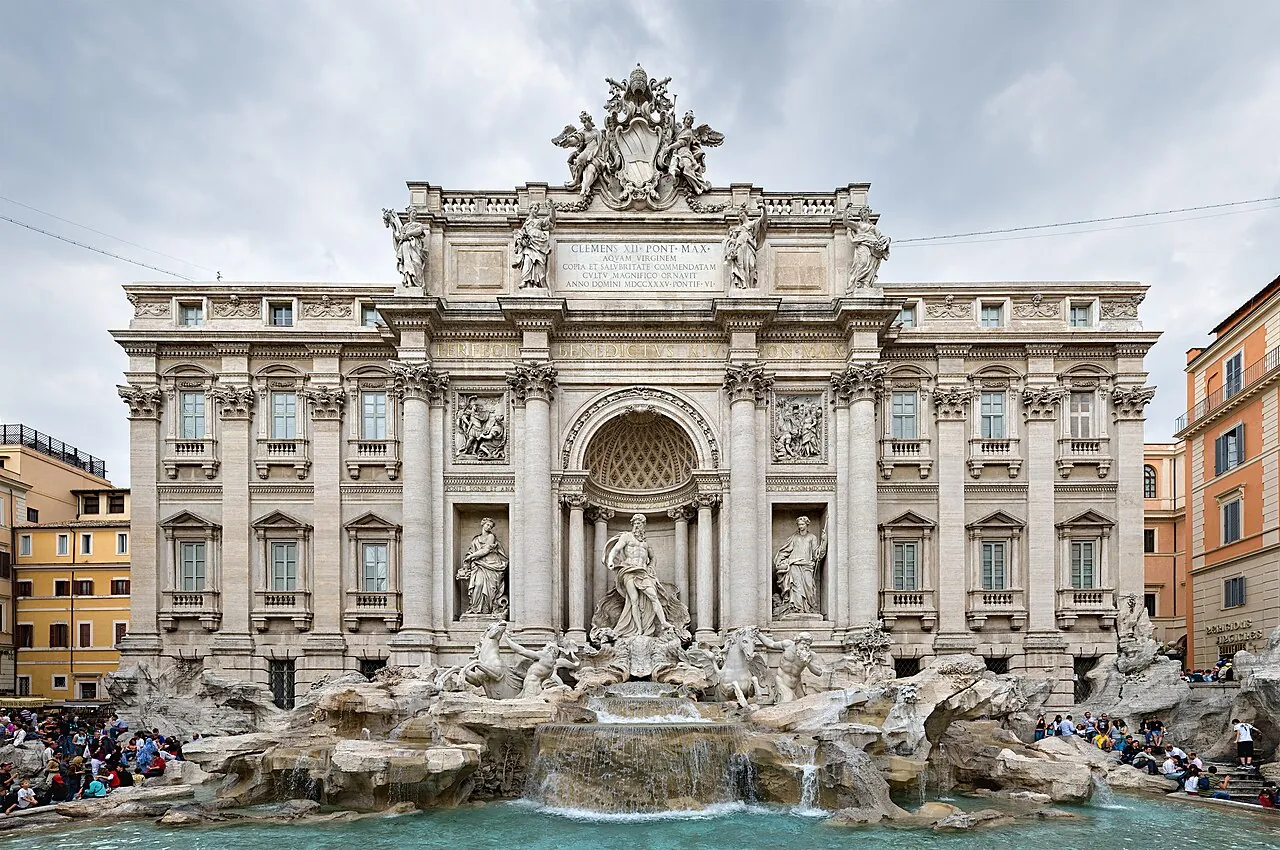
Diliff / Wikimedia Commons, CC BY 3.0
Length
5 days
Budget
€920 / $1,067
per person, mid-range
Best season
Apr–Jun, Sep–Oct
August is hot, expensive and half-shut
Stops
5
one hotel, no intercity travel
The route
Four nights in Rome, with everything reached on foot or by metro and nothing packed in between.
Day by day
Day 1 · Rome, arrival
The day the flight takes
The Leonardo Express runs Fiumicino to Termini in thirty-two minutes. Drop the bag, and do the evening version of Rome rather than the sightseeing version: the Pantheon after dark, which is free and nearly empty once the day crowd has gone, then dinner in Trastevere. Plan nothing you would mind losing.
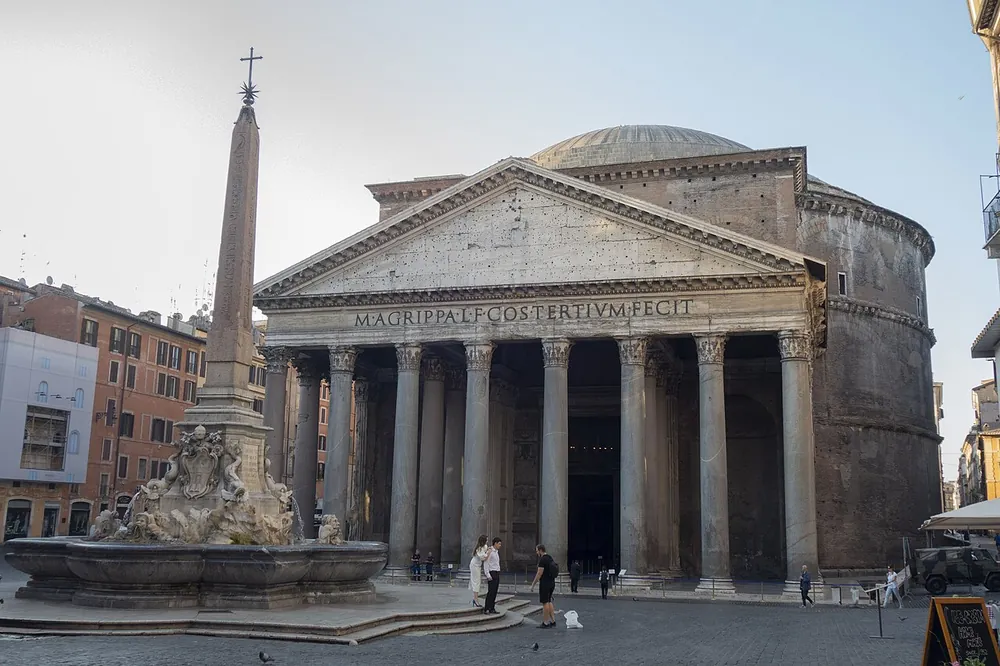
Sleep: Monti to walk to the Forum, Trastevere to eat, Prati for the Vatican.
Day 2 · Ancient Rome
One ticket, three sites, one long day
The €18 ticket covers the Colosseum, the Roman Forum and Palatine Hill for 24 hours, so this is one day rather than three visits. Start at the Palatine and the Forum in the morning while it is cool, break for the middle of the day, and take the Colosseum late. The light is better and the queue has gone. Book the timed slot before you fly.
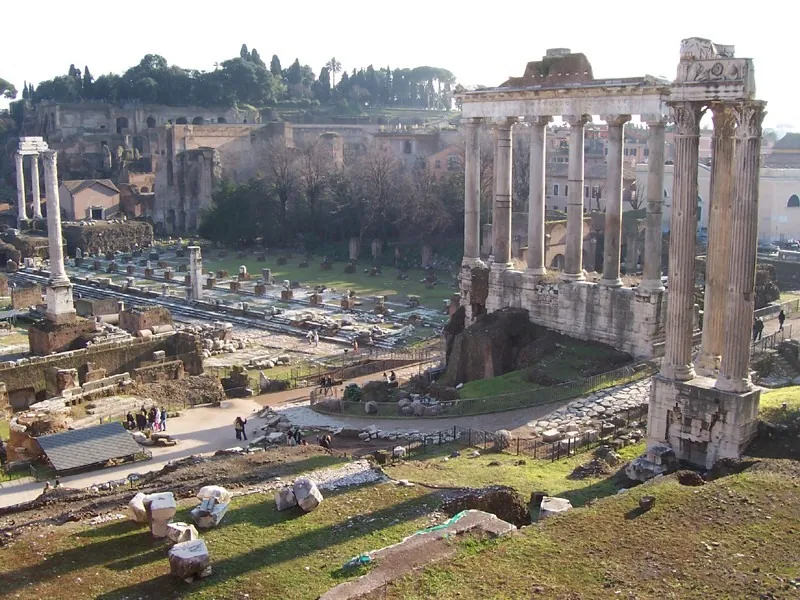
Sleep: Same hotel. That is the entire point of this itinerary.
Day 3 · The Vatican
Book it, or lose the morning to a queue
The Vatican Museums are €20 plus a €5 online booking fee. Without a timed ticket the queue genuinely runs to hours, and it is the one place in Rome where turning up is a mistake rather than an adventure. The Sistine Chapel is at the end of a long one-way route, so go early and do not plan anything demanding for the afternoon.
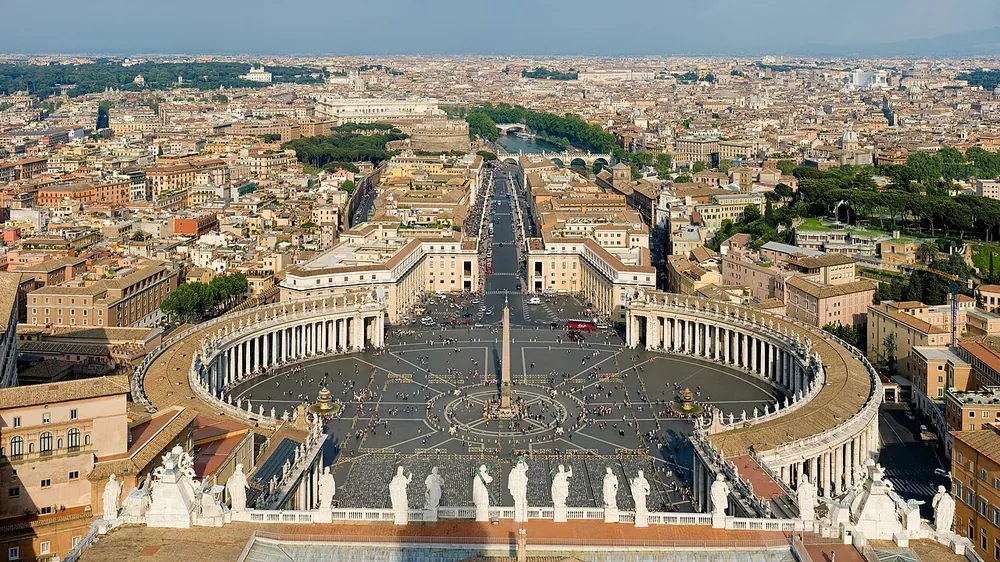
Sleep: Same hotel.
Day 4 · Rome without tickets
The day that makes the trip
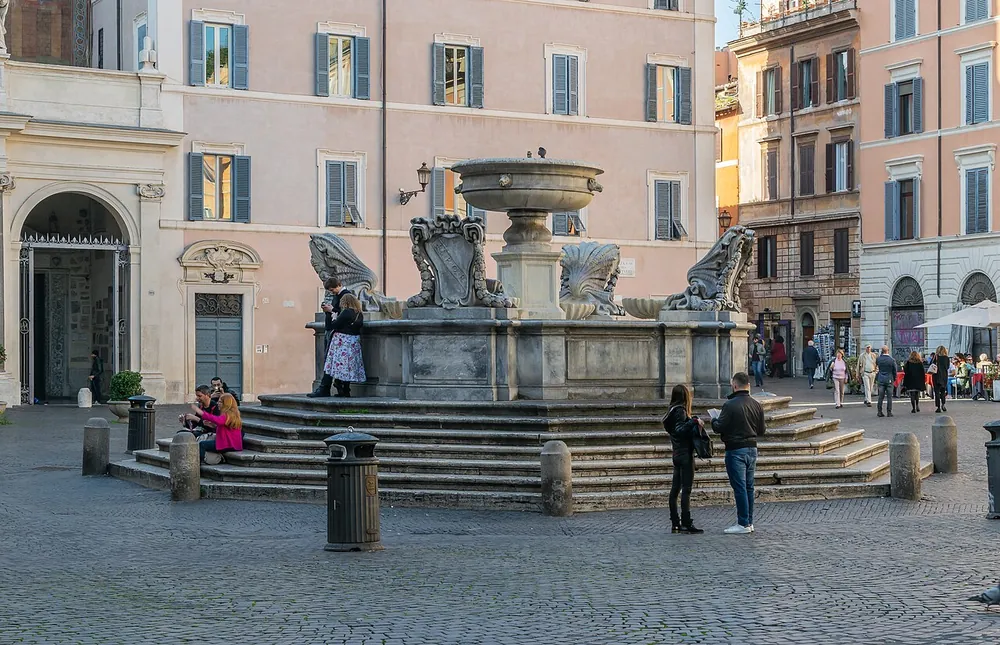
No queues, no bookings. Trastevere and the Gianicolo in the morning for the view over the whole city, the Appian Way if it is a Sunday when it closes to traffic, Testaccio for lunch where Rome actually eats, and the Campo de' Fiori market early. This is the day people remember, and it is the first thing a two-city version of this trip deletes.
Sleep: Same hotel, fourth night.
Day 5 · Fiumicino
Out, with the morning still yours
Thirty-two minutes back to the airport on the Leonardo Express from Termini. Because nothing was packed and repacked all week, the last morning is real: one more market, one more coffee standing at a bar, and the train.
Sleep: Nowhere. This is the day you leave.
Best things to do on this route
If you cut the trip short, these are the ones to keep.
- 01
The Pantheon after dark
Free, open late on many evenings, and almost empty once the day crowd has gone. The best first night in Rome.
- 02
One ticket, three ancient sites
€18 covers the Colosseum, Roman Forum and Palatine Hill for 24 hours. Most visitors buy it and use a third of it.
- 03
The Colosseum late in the day
Same ticket, better light, and the queue that defined your morning has gone.
- 04
The Appian Way on a Sunday
Closed to traffic, free, and the only place in Rome to walk the original stones without a ticket.
- 05
Testaccio at lunchtime
The market and the trattorias around it, where Rome eats when nobody is watching.
Where to stay
Neighbourhoods rather than specific hotels. Prices move, areas don't.
Monti
Central, walkable to the Forum and the Colosseum, and quieter at night than its location suggests.
Trastevere
Across the river, the best eating in the city, and louder for it. Twenty minutes on foot from the centre.
Prati
Next to the Vatican, residential and calm, with a metro line into everything else. The dull choice, and the practical one.
What it cost
Per person, 5 days. International flights not included.
| Category | Cost |
|---|---|
| Accommodation: 4 nights | €440 / $510 |
| Food and drink | €300 / $348 |
| Activities and entry fees | €80 / $93 |
| Local transport and airport trains | €50 / $58 |
| City tourist tax | €25 / $29 |
| SIM, laundry, everything else | €25 / $29 |
| Total | €920 / $1,067 |
Converted at €1 = $1.1593, checked 2 September 2026. About €184 a day. The highest daily rate of the Italy routes, because Rome is the most expensive bed on the list and there are no cheaper Florence or Siena nights averaging it down. There is no intercity line at all: €50 covers five days of metro and both airport trains.
Getting around
There is no intercity transport, and that is the design
The Leonardo Express is thirty-two minutes each way from Fiumicino to Termini. Everything else on this itinerary is walking or two stops on the metro. No trains to book, no fares to compare, no morning lost to a station.
Book the two timed tickets before you fly
The Colosseum at €18 and the Vatican Museums at €20 plus a €5 booking fee. Both sell out in season, and the Vatican without a timed slot costs you a morning.
The day trips are all wrong here
Florence, Naples, Pompeii and Orvieto are each a real day out of four. A day trip from a four-night stay is a quarter of the city, and Rome is the one place in Italy with more than four days of things worth doing.
Packing notes
The things that are annoying to find locally, or that people forget.
- Shoulders and knees covered. St Peter's turns people away at the door and the ponchos sold outside cost more than a scarf.
- Shoes for cobbles. Rome is uneven stone and you will do 20,000 steps a day.
- A refillable bottle. The nasoni fountains run cold and free across the whole city.
- Timed tickets for the Colosseum and the Vatican, booked before you fly.
- Some cash. Card works nearly everywhere, but standing at a bar for coffee is a euro and they would rather have the coin.
Why not Rome and Florence
Because two nights each is what five days actually offers, and the seven-day route explains at length why two nights is where a city becomes a checklist. In Rome it forces a choice between the Vatican and ancient Rome. In Florence it means the Uffizi and nothing else.
You would also spend a morning packing, checking out, travelling and checking in, a fifth of this holiday, to arrive somewhere you then see less of than the city you left.
If you would rather see Florence than Rome, do the same thing there: four nights, one hotel, the Uffizi on the afternoon ticket at €16 rather than €25, and day four spent in the Oltrarno with no ticket in your pocket. It is a smaller city and four nights covers it more completely than four nights covers Rome.
What does not work is half of each.
The fourth night is the one that counts
Three nights in Rome gets you the Colosseum, the Vatican, and a scramble. The fourth night is what buys day four (the market, Testaccio, the Gianicolo, the Appian Way) which is the day nobody plans and everybody remembers.