Portugal · Itinerary · Updated September 2026
7 days in Portugal: Lisbon, the Douro Valley and Porto
A week in Portugal is usually spent on Lisbon and Porto with a coach tour bolted on. This one gives the wine country two nights of its own and reaches it for €12.20. Fares and fees checked September 2026.
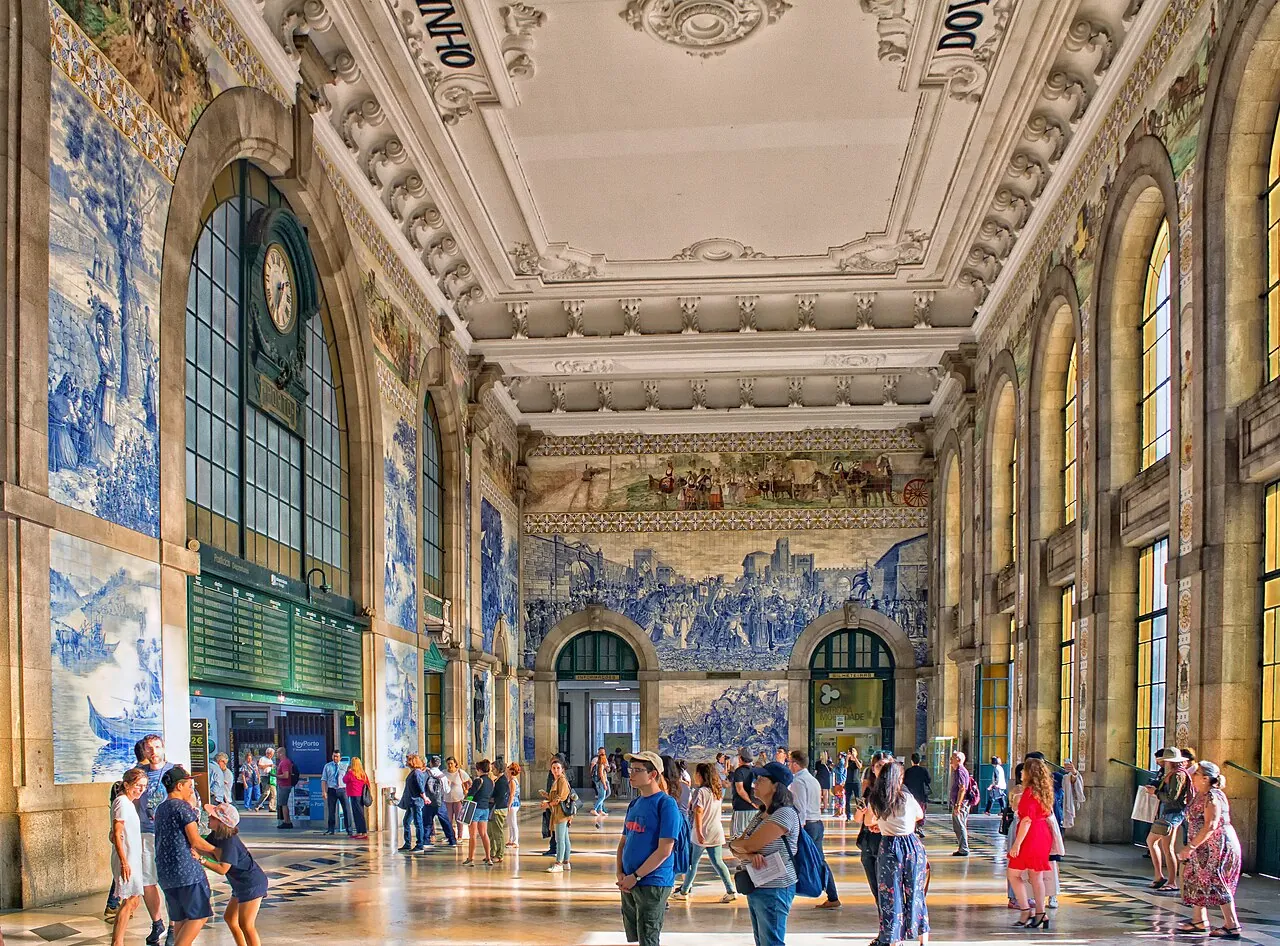
Ray in Manila / Wikimedia Commons, CC BY 2.0
Length
7 days
Budget
€1,135 / $1,316
per person, mid-range
Best season
Apr–Jun, Sep–Oct
The Douro harvest is late September
Stops
4
3 stops, 2 nights each
The route
Two nights in Lisbon, two in the Douro Valley at Pinhão, and two in Porto. Fly into Lisbon, out of Porto.
Day by day
Days 1–2 · Lisbon
Two nights, and one decision to make before you fly
Day one is Belém and the old city: the Jerónimos Monastery is **€21**, the steepest single ticket in Portugal and worth it for the cloister, then Alfama and the Graça viewpoints. Day two is the decision. A second day in Lisbon, or Sintra, forty minutes out on a suburban train, where the Palácio da Pena is €20 full or €12 for the park. You cannot have both. Lisbon charges **€4 per person per night** in city tax, from age thirteen.
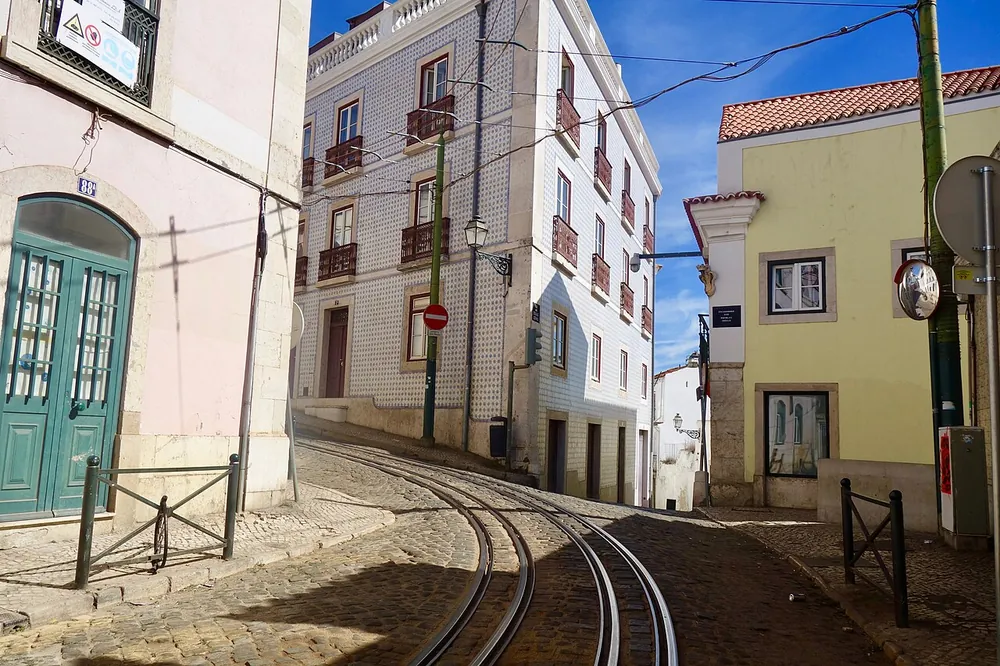
Sleep: Alfama or Graça. Steep, tiled, and central enough to walk home from dinner.
Days 3–4 · Douro Valley
A long day north, and the best railway in Europe at the end of it
Day three is the price of this itinerary: 2h39 to Porto on the Alfa Pendular, change, then 2h25 up the Linha do Douro to Pinhão for **€12.20**. Call it five and a half hours. The last of it runs along the water with terraced vineyards stacked above, which is why nobody who has done it complains. Day four is a quinta, a boat, and an evening with nothing in it.
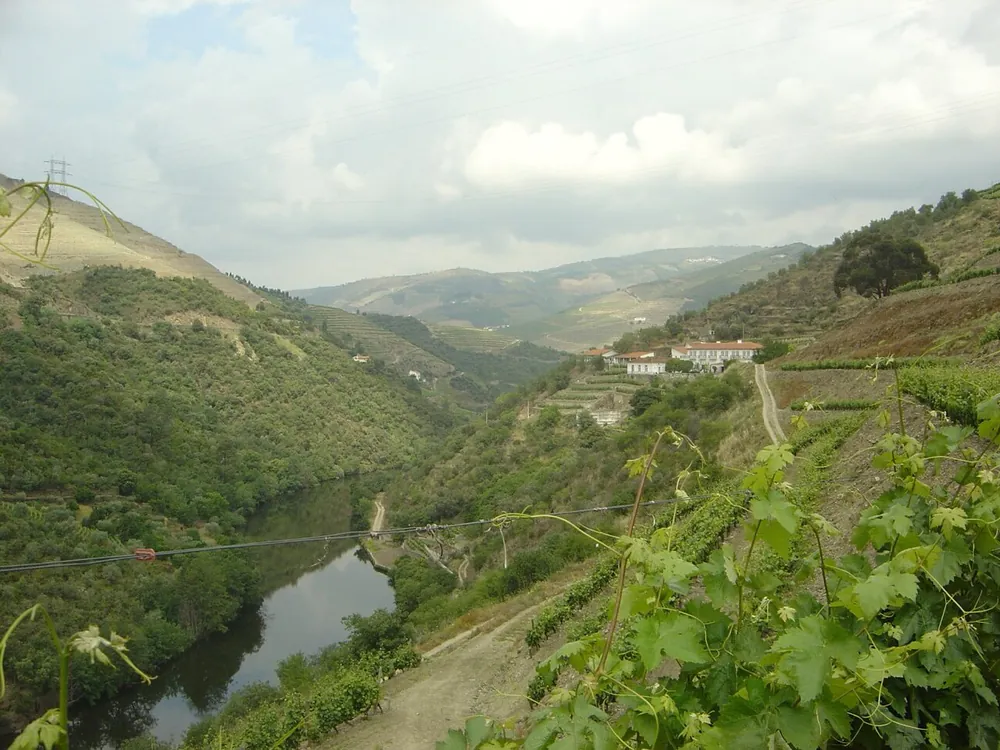
Sleep: A quinta above Pinhão if the budget stretches; the village if not. Book early in September.
Days 5–6 · Porto
Back down the same line, which is no hardship
The return leg is the same 2h25 in the other direction and arrives into São Bento, a station lined with twenty thousand tiles. The Ribeira is the postcard; the port lodges are over the bridge in Vila Nova de Gaia and most charge for a tasting. Two nights is right for Porto here, because the valley has already given you the wine country and this is the city part.
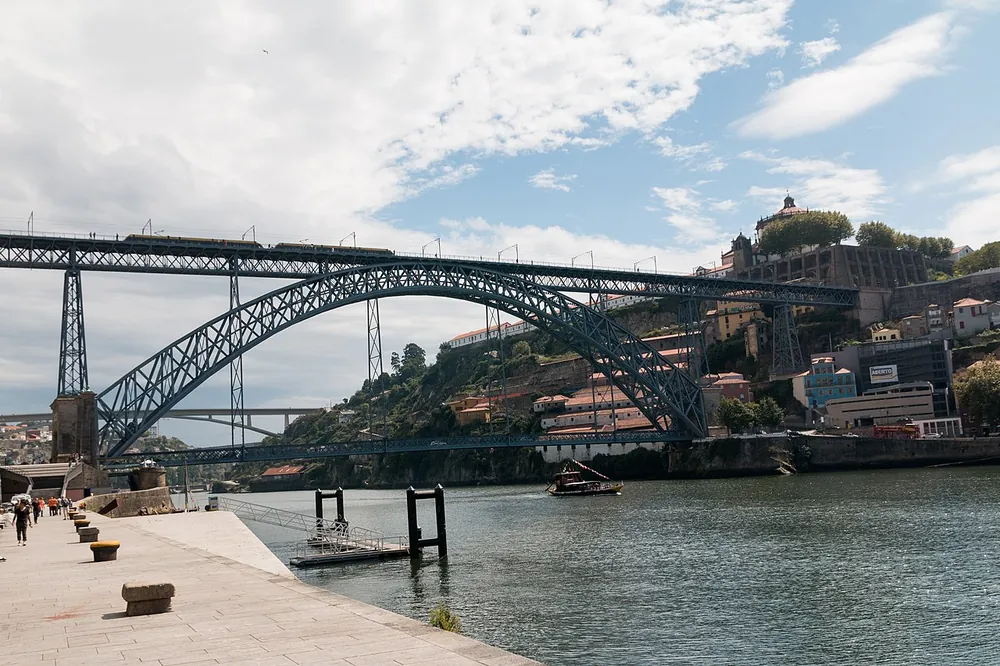
Sleep: Cedofeita or Bonfim, ten minutes uphill from the river and half the price.
Day 7 · Porto, and out
The metro to the airport
Porto's airport is about half an hour out on the metro, which makes the last morning usable rather than lost. Fly home from here: going back to Lisbon costs the best part of three hours on a train you rode on day three.
Sleep: Nowhere. This is the day you leave.
Best things to do on this route
If you cut the trip short, these are the ones to keep.
- 01
The Linha do Douro to Pinhão
€12.20 and 2h25, the last hour along the river under terraced vineyards. The best-value ticket in Portugal by a distance.
- 02
A quinta on your own schedule
Two nights in the valley means tasting where you choose and when, instead of the two stops a coach has time for.
- 03
São Bento station
Twenty thousand azulejos in a working railway concourse. Free, and you arrive through it anyway.
- 04
The Jerónimos cloister
€21, and the one Lisbon ticket worth that much. Go at opening; Belém fills by ten.
- 05
Port lodges in Vila Nova de Gaia
Across the bridge from the Ribeira. Most charge for tastings, and the walk over the upper deck of the Ponte Luís I is the reason to go on foot.
Where to stay
Neighbourhoods rather than specific hotels. Prices move, areas don't.
Lisbon: Alfama or Graça
Steep and tiled, with the viewpoints and the tram on the doorstep. Two nights, so pay for the location rather than the room.
Douro: Pinhão or a quinta above it
The village sits on the river; the wine estates above it cost more and include the view. Both need booking well ahead for September.
Porto: Cedofeita or Bonfim
Ten minutes uphill from the Ribeira, half the price, and where people actually live.
What it cost
Per person, 7 days. International flights not included.
| Category | Cost |
|---|---|
| Accommodation: 6 nights | €550 / $638 |
| Food and drink | €315 / $365 |
| Activities, entry fees and tastings | €95 / $110 |
| Trains: Lisbon to Porto and the Douro line both ways | €70 / $81 |
| Local transport and airport transfers | €55 / $64 |
| SIM, laundry, everything else | €35 / $41 |
| Tourist taxes | €15 / $17 |
| Total | €1,135 / $1,316 |
Converted at €1 = $1.1593, checked 2 September 2026. About €162 a day, a shade under the 10-day route's €164. The train row is the one worth reading twice: €70 covers the length of the country and two runs up the Douro line, because Lisbon to Porto is about €35.70 and Porto to Pinhão is €12.20 each way.
Getting around
Take the train into the Douro, not a tour bus
Porto to Pinhão is 2h25 and €12.20, along the river for the last hour. A day tour from Porto costs several times the €24 return, spends much of itself on a motorway, and puts you back in the city by evening. Two nights and a €12 ticket is both the better trip and the cheaper one.
Day three is long, and that is the trade
Lisbon to Pinhão is about five and a half hours with one change at Porto. There is no faster way and no version of this week that avoids it. Take an early train, eat on the move, and treat the last two hours as sightseeing rather than transit, which is what they are.
Fly in to Lisbon, out of Porto
An open jaw is usually within a few euros of a return, and returning to Lisbon to fly home costs nearly three hours of a seven-day trip on a route you have already ridden.
Book the Douro beds before anything else
Pinhão is a village and the quintas above it are small. In September, around the harvest, both fill months ahead. Earlier than anything in Lisbon or Porto, which have thousands of rooms between them.
Packing notes
The things that are annoying to find locally, or that people forget.
- Shoes with grip. Lisbon and Porto are hills paved in polished limestone that is lethal wet.
- A layer for the Douro evenings; the valley cools fast once the sun is off it.
- Booked Douro accommodation, especially in September.
- Cash for village cafés in the valley, though cards work throughout both cities.
- A refillable bottle. Tap water is fine everywhere here.
Why the Douro gets two nights and Sintra gets none
Seven days holds three stops comfortably and four badly. Something has to go, and the honest question is which of them a week cannot do without.
The usual answer is to keep Sintra, it is forty minutes from Lisbon and on every list, and reduce the Douro to a day tour from Porto. That gets you a motorway, two quintas on someone else’s timetable, a set lunch, and back by six.
The reverse trade is better. Two nights in the valley is a quinta you chose, a boat on the river, and one evening where the light goes off the terraces while you are still sitting there. Sintra is a palace on a hill that you will see photographs of either way.
If Sintra matters more than the wine country, it is not a compromise. It is the 10-day route, which has room for both plus Évora and Coimbra.
What five and a half hours buys
Day three is the longest travel day on any route on this site at this length, and it is worth being plain about that before you book it.
Lisbon to Porto is 2h39. Porto to Pinhão is 2h25. With the change, call it five and a half hours door to door.
What makes it defensible is that the second half is not transit. The Linha do Douro runs along the water for its last hour, past terraces cut into slate, and people ride it as an attraction in its own right. You are paying €12.20 for a two-and-a-half-hour scenic railway that happens to end at your hotel.
The alternative, basing yourself in Porto and going up for the day, costs five hours of the same track with no evening at the far end.
Two nights each, and why that is the shape
Three stops at two nights apiece means two travel days out of seven, and one of them is the scenic one.
It also means every place gets a full day that is not an arrival or a departure. Two nights is the minimum at which somewhere stops being a stop: you sleep, you have a whole day, you sleep again. One night is a corridor.
Ten days can afford one-night stops because it has nine of them to play with. Seven cannot, and neither can five, which is why the shorter route drops the valley altogether rather than trying to visit it in an afternoon.