Portugal · Itinerary · Updated September 2026
10 days in Portugal: Lisbon, the interior, the Douro and Porto
Portugal is small enough to see properly in ten days, which is rare, and the temptation is to spend the surplus on a fifth day in Lisbon. This route spends it inland instead. Fares and fees checked September 2026.
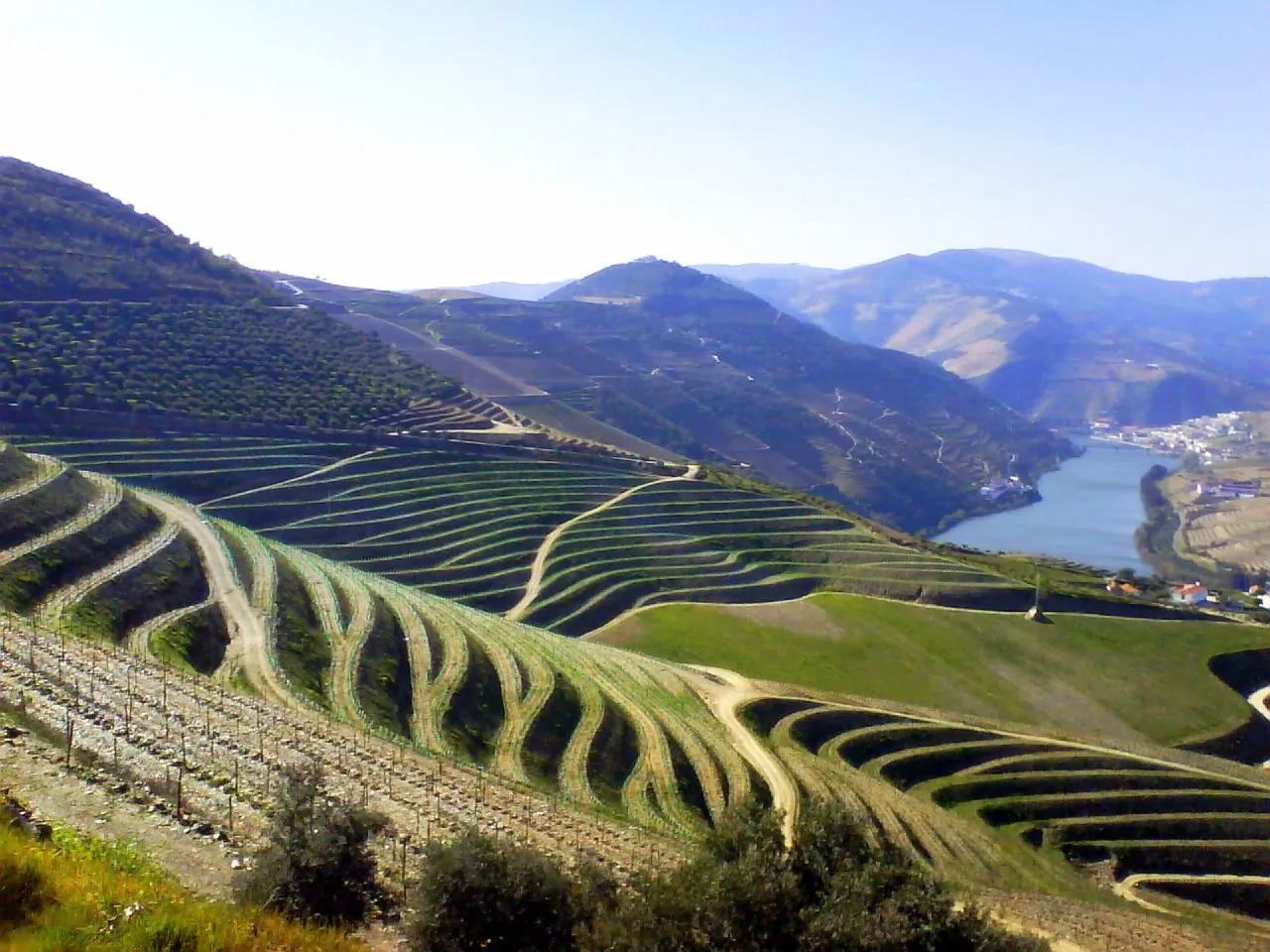
Feliciano Guimarães / Wikimedia Commons, CC BY 2.0
Length
10 days
Budget
€1,635 / $1,895
per person, mid-range
Best season
Apr–Jun, Sep–Oct
The Douro harvest is late September
Stops
7
6 stops, all by train
The route
Four nights in Lisbon with Sintra and Évora as day trips, one in Coimbra, two in the Douro Valley and two in Porto.
Day by day
Days 1–2 · Lisbon
Two days in the city, and a tax worth knowing about
Belém takes a morning: the Jerónimos Monastery is **€21**, which is the steepest single ticket in Portugal and still worth it for the cloister. The rest is Alfama, the Graça viewpoints and the tram everyone rides standing up. Lisbon charges a **city tax of €4 per person per night, capped at seven nights** and applied from age thirteen. It doubled from €2 in September 2024 and has held there since.
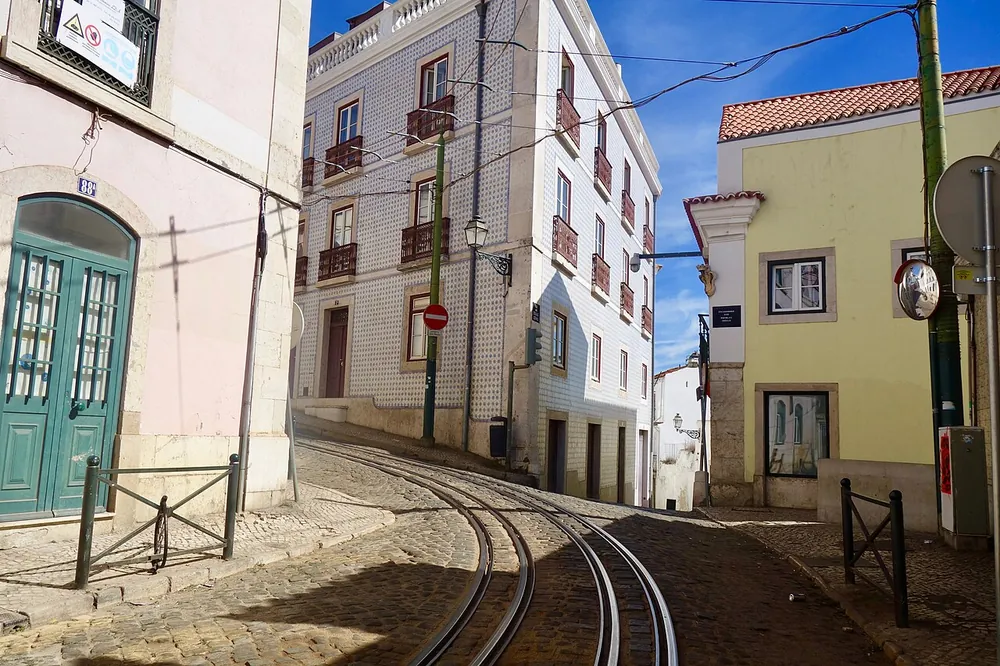
Sleep: Alfama or Graça. Four nights in one bed is the point of this itinerary.
Day 3 · Sintra
Forty minutes out, and the palace on the ridge
The suburban train from Rossio runs constantly and takes about forty minutes. The Palácio da Pena is €20 for the full ticket or €12 for the park alone, and the park alone is a real option. The building is best from outside, which is where its colours are. Go early: Sintra is one of the most crowded places in the country by mid-morning.
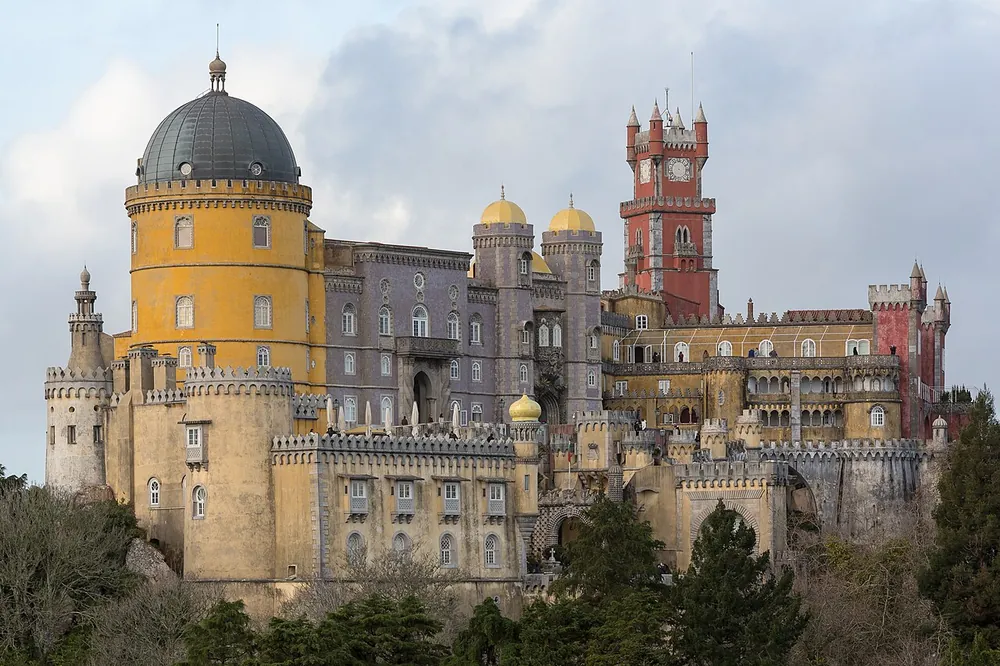
Sleep: Back in Lisbon. Sintra empties at six and its hotels know it.
Day 4 · Évora
The Alentejo in a day, and the reason to bother
An hour and twenty minutes each way, which is what makes this a day trip rather than a move. Évora is a walled town with a Roman temple standing in the middle of it, a cathedral you can climb, and the Capela dos Ossos. A chapel lined with the bones of five thousand people, which is less grim in person than it sounds and entirely the point of coming. It is also the first place on this route where lunch is the day's main event.
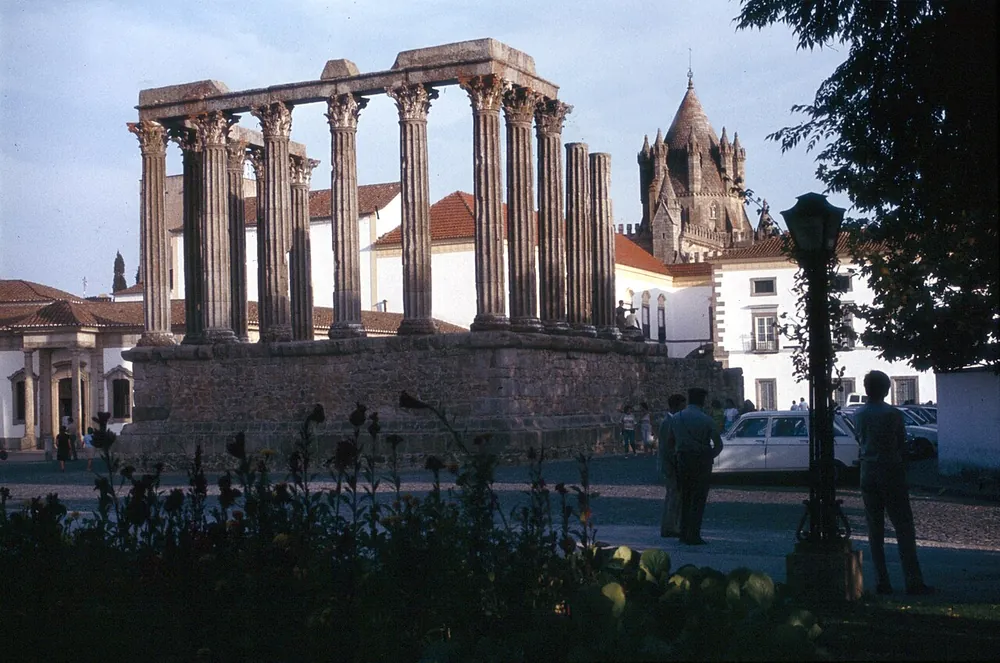
Sleep: Back in Lisbon again. The bags have not moved since you landed.
Day 5 · Coimbra
One night, and a library you have to be let into
The Alfa Pendular from Lisbon takes 1h43. Coimbra is a university town stacked up a hill, and the Biblioteca Joanina at the top of it is the reason to stop: a baroque library with a colony of bats living in the ceiling, released at night to eat the insects that would otherwise eat the books. Entry is timed and limited. One night is enough, and it breaks an otherwise long day north.
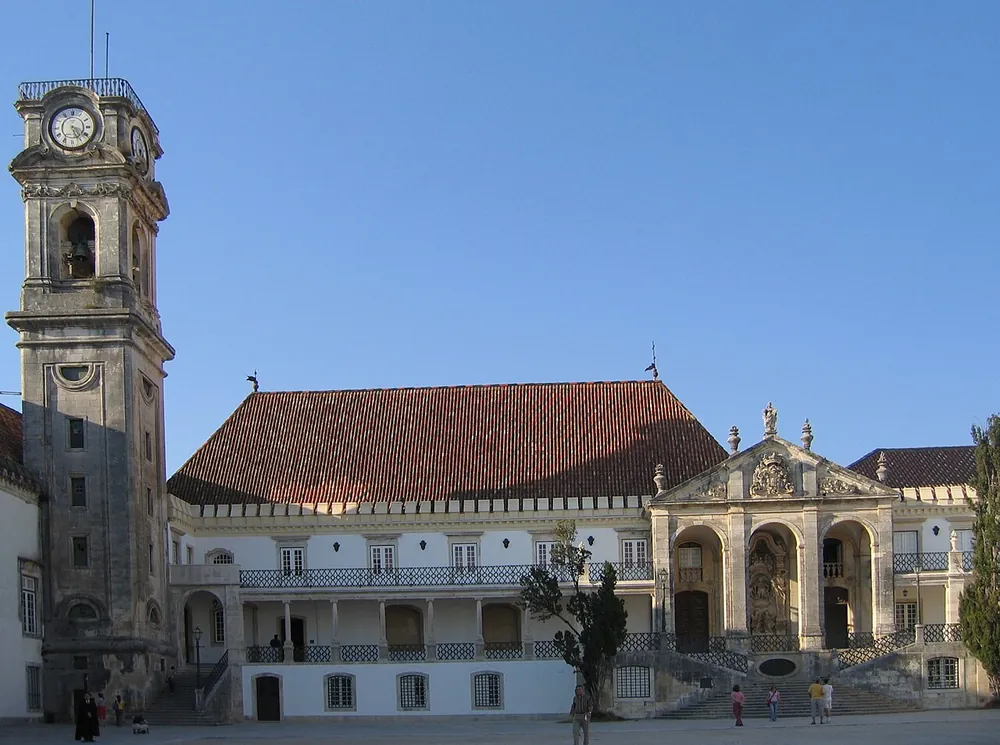
Sleep: The lower town, near the station. The upper town is a climb with luggage.
Days 6–7 · Douro Valley
Two nights in the reason this itinerary exists
Change at Porto and take the Linha do Douro to Pinhão. 2h25 from Porto and **€12.20 each way**, on what is regularly called the most beautiful railway in Europe. The last hour runs along the water with terraced vineyards stacked above it. Two nights buys a quinta visit, a boat on the river, and an evening where nothing is scheduled. Late September is the harvest.
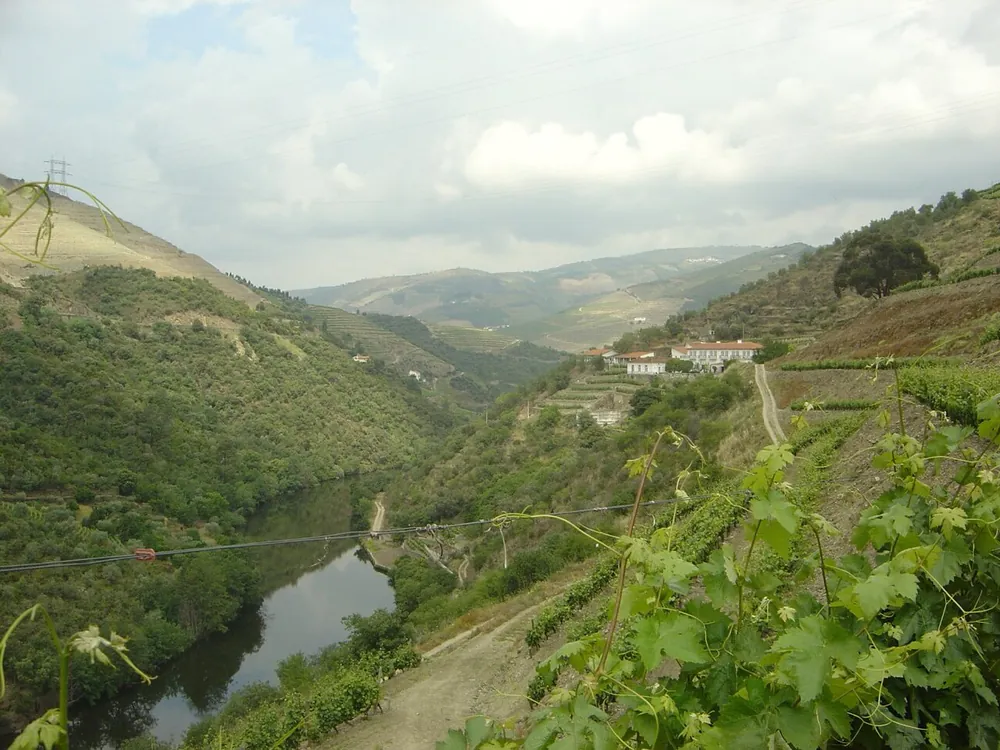
Sleep: A quinta above Pinhão if the budget stretches; the village itself if not.
Days 8–9 · Porto
Two nights, the bridge and the lodges across the water
Back down the Douro line into São Bento, which is a railway station lined with twenty thousand tiles and worth ten minutes before you leave it. The Ribeira is the postcard; the port lodges are across the bridge in Vila Nova de Gaia and most charge for a tasting. Two nights is enough for the city because the valley has already given you the wine country.
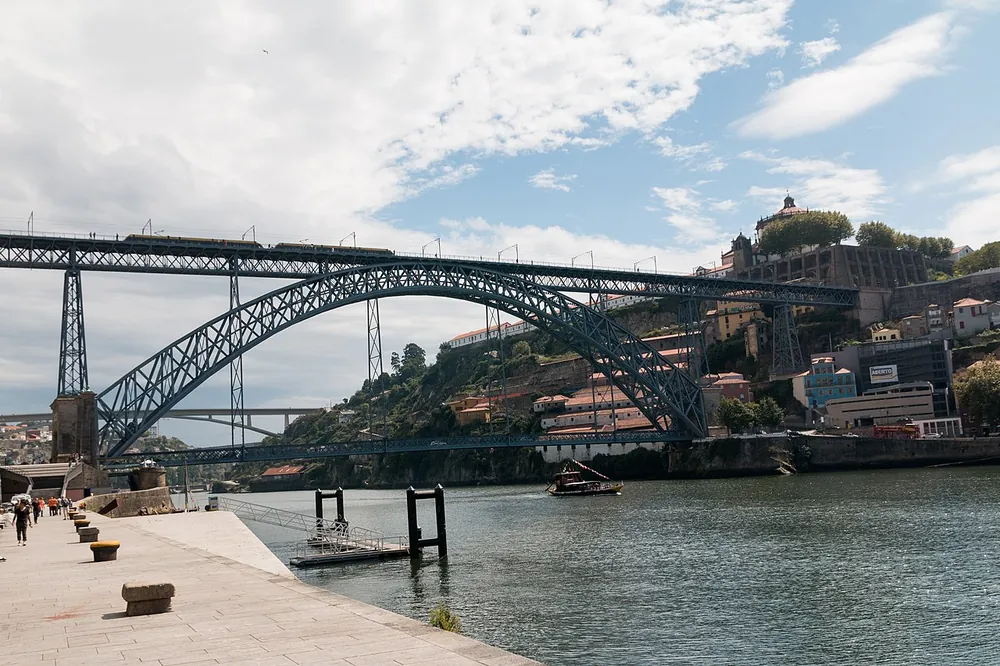
Sleep: Ribeira for the view, Cedofeita or Bonfim for the prices.
Day 10 · Porto, and out
The metro to the airport, and the argument for an open jaw
Porto's airport is on the metro, about half an hour from the centre, which makes the last morning genuinely usable. Fly out of Porto rather than returning to Lisbon: the train back is nearly three hours and buys you nothing you have not already seen.
Sleep: Nowhere. This is the day you leave.
Best things to do on this route
If you cut the trip short, these are the ones to keep.
- 01
The Linha do Douro to Pinhão
€12.20 and 2h25 from Porto, the last hour of it along the water under terraced vineyards. The best-value ticket in Portugal.
- 02
The Biblioteca Joanina
A baroque library in Coimbra with a bat colony in the ceiling that eats the insects that would eat the books. Timed entry, and small.
- 03
The Capela dos Ossos in Évora
A chapel lined with the bones of about five thousand people. Strange, calm, and the thing you will describe first when you get home.
- 04
Pena from the park, not the queue
€12 for the park against €20 for the full ticket. The palace photographs best from outside, which is where the colours are.
- 05
São Bento station
Twenty thousand azulejos in a working railway concourse, free, and on your way through anyway.
Where to stay
Neighbourhoods rather than specific hotels. Prices move, areas don't.
Lisbon: Alfama or Graça
Steep, tiled and central, with the tram and the viewpoints on the doorstep. Four nights in one room is what makes two day trips painless.
Coimbra: the lower town
Five minutes from the station and a short climb below the university. Cheapest bed on the route, and you are here for one night.
Douro: Pinhão or a quinta above it
The village is small and on the river; the wine estates above it are dearer and include the view you came for. Both need booking well ahead in September.
Porto: Cedofeita or Bonfim
Ten minutes uphill from the Ribeira, half the price and where people actually live. The riverfront is for looking at, not sleeping on.
What it cost
Per person, 10 days. International flights not included.
| Category | Cost |
|---|---|
| Accommodation: 9 nights | €810 / $939 |
| Food and drink | €450 / $522 |
| Activities, entry fees and tastings | €130 / $151 |
| Trains: six legs including two day trips | €105 / $122 |
| Local transport and airport transfers | €70 / $81 |
| SIM, laundry, everything else | €45 / $52 |
| Tourist taxes | €25 / $29 |
| Total | €1,635 / $1,895 |
Converted at €1 = $1.1593, checked 2 September 2026. About €164 a day, which makes this the cheapest western-European route on the site. Of the tax row, €16 is Lisbon's own charge (€4 per person per night for four nights, capped at seven) and the rest is smaller municipal charges elsewhere. The entry-fee row is high for Portugal because two tickets, Jerónimos at €21 and Pena at €20, account for a third of it.
Getting around
The whole country is one railway line
Lisbon to Coimbra is 1h43 on the Alfa Pendular and Lisbon to Porto 2h39 for about €35.70. Sintra is forty minutes on a suburban train, Évora an hour and twenty. Nothing here needs a car, including the Douro, which is the opposite of what most itineraries assume.
Take the train into the Douro, not a tour bus
Porto to Pinhão is 2h25 and €12.20, and the line runs along the river for the last hour. A day tour costs many times that, spends half its time on a motorway, and returns you to Porto the same evening. Two nights and a €12 ticket is a better trip and a cheaper one.
Fly out of Porto
The airport is on the metro, about half an hour out. Returning to Lisbon to fly home costs the best part of three hours on a train you have already ridden. An open jaw is usually within a few euros of a return.
Book Pena and the Joanina before you go
Both are timed and both are small. Sintra in particular is one of the most congested sites in the country by mid-morning, and the €12 park ticket is worth considering on its own merits rather than as an economy.
Photos
Packing notes
The things that are annoying to find locally, or that people forget.
- Shoes with grip. Lisbon, Porto and Coimbra are all built on hills and paved in polished limestone that is lethal wet.
- A layer for the Douro evenings. The valley cools fast once the sun leaves it.
- Timed tickets for Pena and the Biblioteca Joanina, bought before you fly.
- Cash for village cafés in the Douro, though cards work in every city here.
- A bottle you can refill; tap water is fine throughout.
Why four nights in Lisbon is not four days in Lisbon
The city gets two days. The other two nights are a bed you keep while going somewhere else.
Sintra is forty minutes out. Évora is an hour and twenty. Both are comfortable day trips, and doing them from a fixed base means no checking out, no dragging a case over tram rails, and no half-day lost to moving. A move costs about half a day once packing, checkout and finding the next place are counted, which is why a ten-day trip with three moves sees more than one with six.
It also puts a natural cap on Lisbon itself, which is the trap this route is built to avoid. Lisbon is very good and very easy, and it will absorb as many days as you give it.
What the interior is actually for
Portugal’s coast is what the country sells and the interior is where it keeps the rest. Évora is a walled Alentejo town with a Roman temple in the middle of it. Coimbra is a university on a hill with a library that keeps bats. The Douro is a working wine region with a railway threaded along the bottom of it.
None of the three is a detour. Évora is a day trip from a bed you already have, and Coimbra sits directly on the Lisbon–Porto line. The only real displacement on this itinerary is the Douro, and that one is the reason to come.
Two nights in the Douro, not a day tour
The standard version of the Douro is a coach from Porto: a motorway, two quintas, a set lunch and back by six.
The train is 2h25 and €12.20 each way, and the last hour of it runs along the water. Two nights at the other end means a quinta on your own schedule, a boat on the river, one dinner with the valley going dark, and a morning with nothing in it.
The cost difference runs the other way from what people expect. A day tour is often more than the €24 of return rail, and the two extra nights are the cheapest part of a trip whose largest line is nine nights of beds regardless.
If you would rather have the Algarve
Then this is the wrong itinerary and it is worth being honest about that rather than bolting a coast onto the end. The Algarve is four hours south of Porto and most of a day from anywhere on this route.
Ten days that end on a beach are a different trip, built around a different airport. This one ends in a city with a river running through it, which is not the same thing and is not trying to be.