Vietnam · Itinerary · Updated September 2026
16 days in Vietnam: the length of the country by train
Vietnam is 1,650km long and the whole itinerary is a decision about that. This one takes the trains, sleeps through the distance, and spends the saved days in Ha Giang. Fares, permits and prices checked September 2026.

Quangnlnhe182394 / Wikimedia Commons, CC0
Length
16 days
Budget
30,300,000₫ / $1,165
per person, mid-range
Best season
Oct–Apr north, Feb–Aug centre
No single month is good everywhere
Stops
6
2 sleeper trains, no domestic flights
The route
Hanoi, north to the Ha Giang loop, back down for Ninh Binh, then the Reunification Express south through Hue and Hoi An to Saigon.
Day by day
Days 1–3 · Hanoi
Three nights, and the trip's only real city days
The Old Quarter is chaotic and worth staying in for two nights before it stops being charming. Day two: the Temple of Literature, the Ho Chi Minh complex in the morning before it shuts at eleven, and bun cha for lunch. Day three is for arranging Ha Giang and doing nothing much: the train station area, the lake at dawn, and an early night before the bus north.
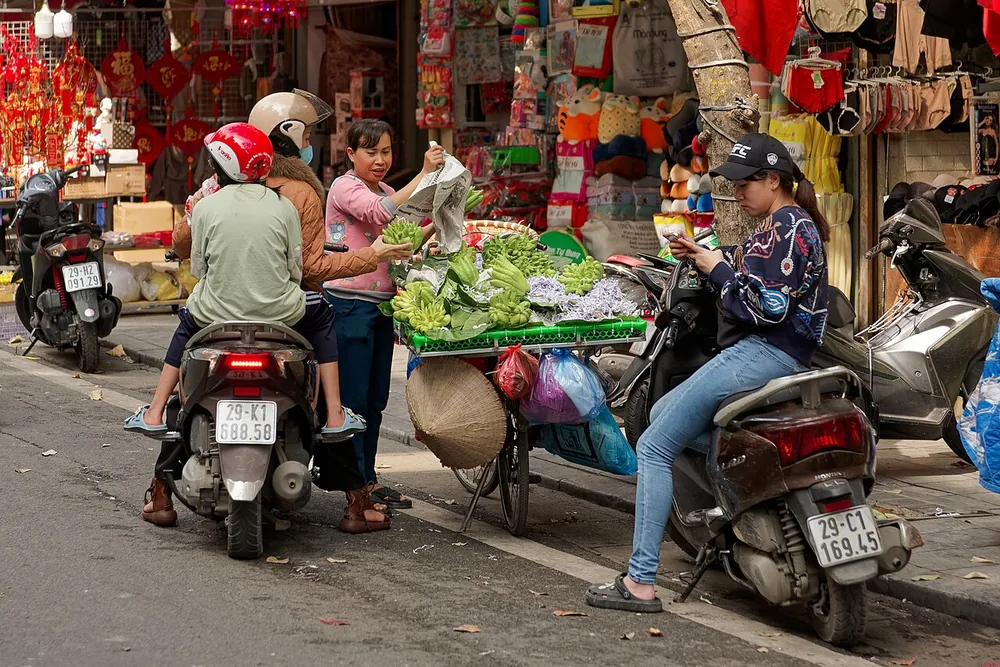
Sleep: Old Quarter for the noise, Ba Dinh or Tay Ho for sleep.
Days 4–6 · Ha Giang
Three days on the loop, and a new permit
Night bus from Hanoi, six to seven hours. The loop is three days and two nights through the Dong Van karst plateau, and **from 2026 it requires a permit costing about $10**. Tour operators handle it, independent riders must not skip it. An easy-rider tour, where you ride pillion behind a local driver, runs $170–250 including accommodation, most meals, fuel and the permit. Jeep tours are $200–350. Riding it yourself is $80–150 and requires a licence you almost certainly do not have.
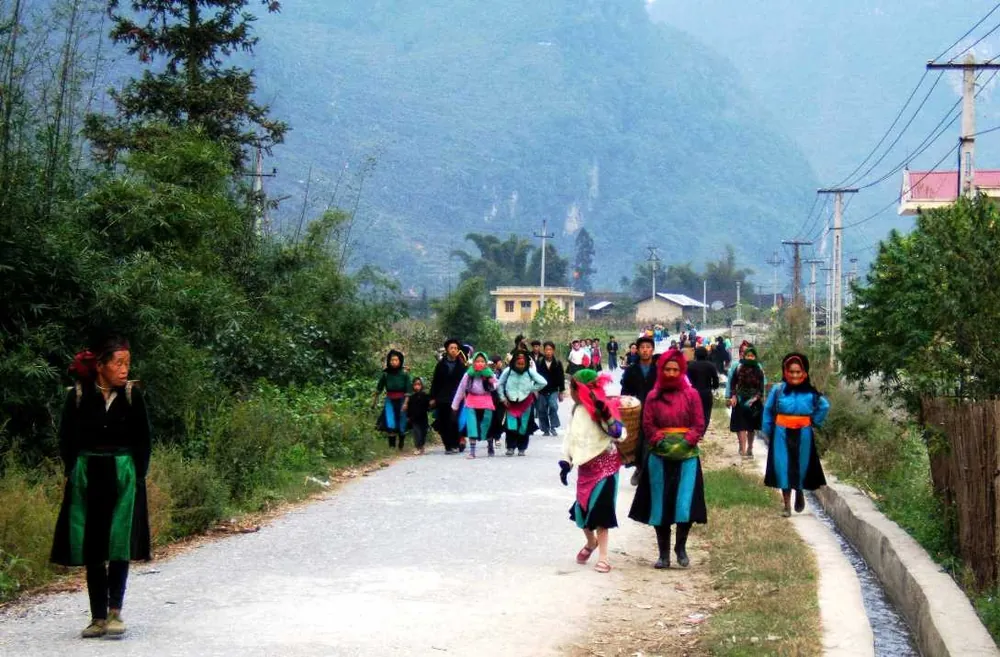
Sleep: Homestays on the loop, included in every tour price above.
Days 7–8 · Ninh Binh
The limestone you came for, without the boat traffic
Two hours south of Hanoi and the reason this itinerary skips Ha Long Bay entirely: the same karst landscape, on rivers instead of open sea, from a rowing boat rather than a cruise ship. Trang An for the boat trip through the caves, Hang Mua for the climb and the view, and Tam Coc if you want a third. Cycle between them; it is flat and the roads are quiet.
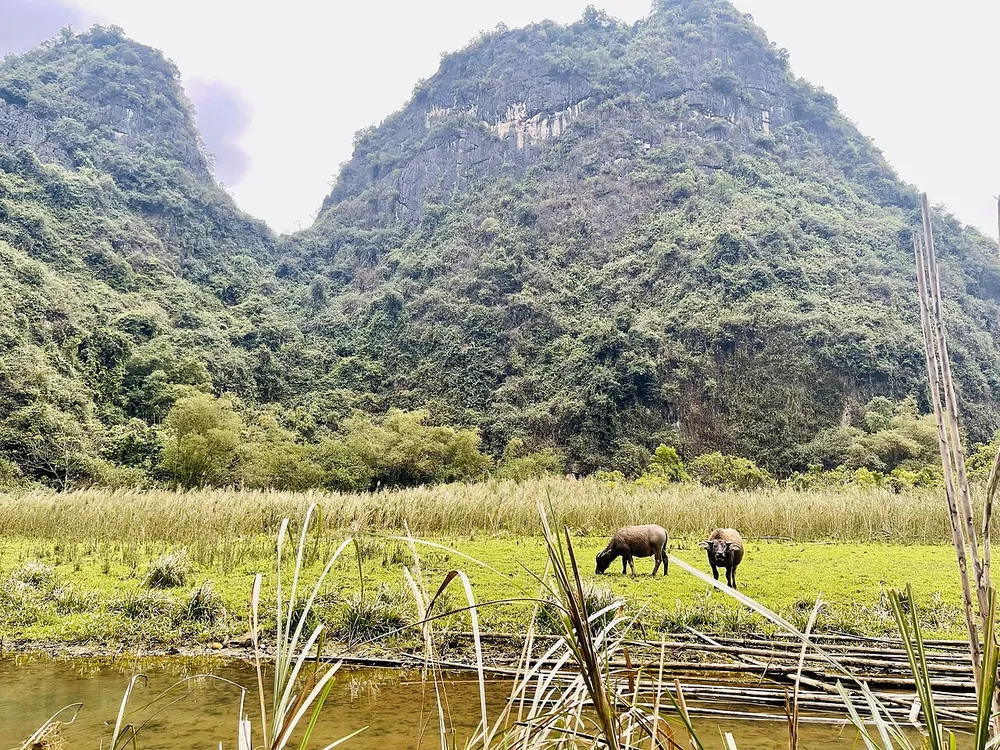
Sleep: Tam Coc village, not Ninh Binh city. You want to wake up in the landscape.
Days 9–10 · Hue
The first sleeper, and the imperial city
The overnight Reunification Express from Hanoi to Hue is 700,000₫ in a four-berth soft sleeper, 550,000₫ in a six-berth, 1,100,000₫ for the two-berth VIP. Take the four-berth. Hue is the Nguyen capital: the Citadel and Forbidden Purple City in the morning, then the royal tombs out along the Perfume River, of which Tu Duc and Khai Dinh are the two worth the entrance.
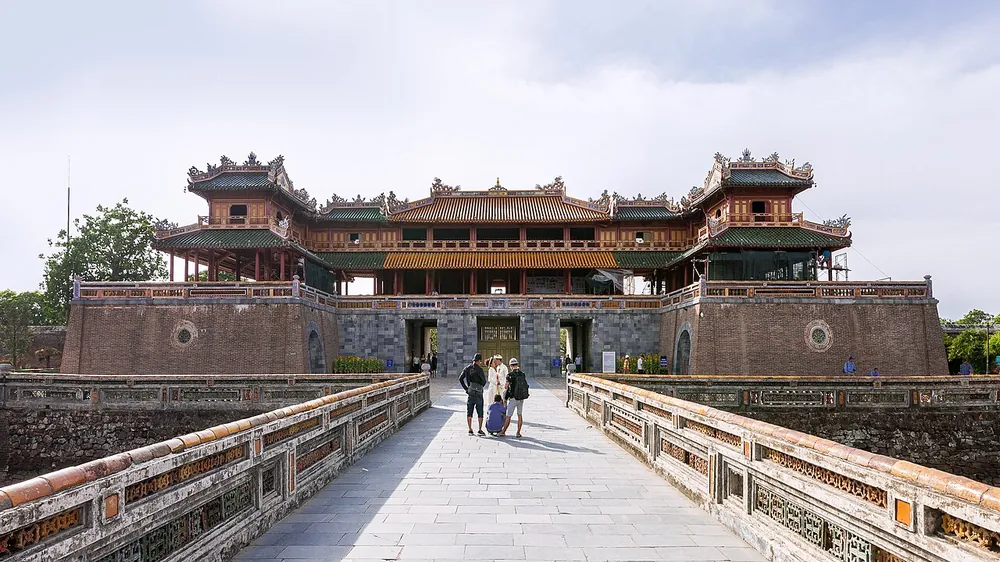
Sleep: Near the river on the south bank, walking distance to the Citadel bridge.
Days 11–13 · Hoi An
Three nights, and the one place worth slowing down
Three hours from Hue over the Hai Van Pass. Take the train for the coastal stretch, which is one of the best hours of railway in Asia, then a car from Da Nang. The old town costs 120,000₫ for a ticket covering five heritage sites, and it is a tourist town that survived becoming one. An Bang beach is fifteen minutes by bicycle. Get clothes made on day one so they are ready on day three.
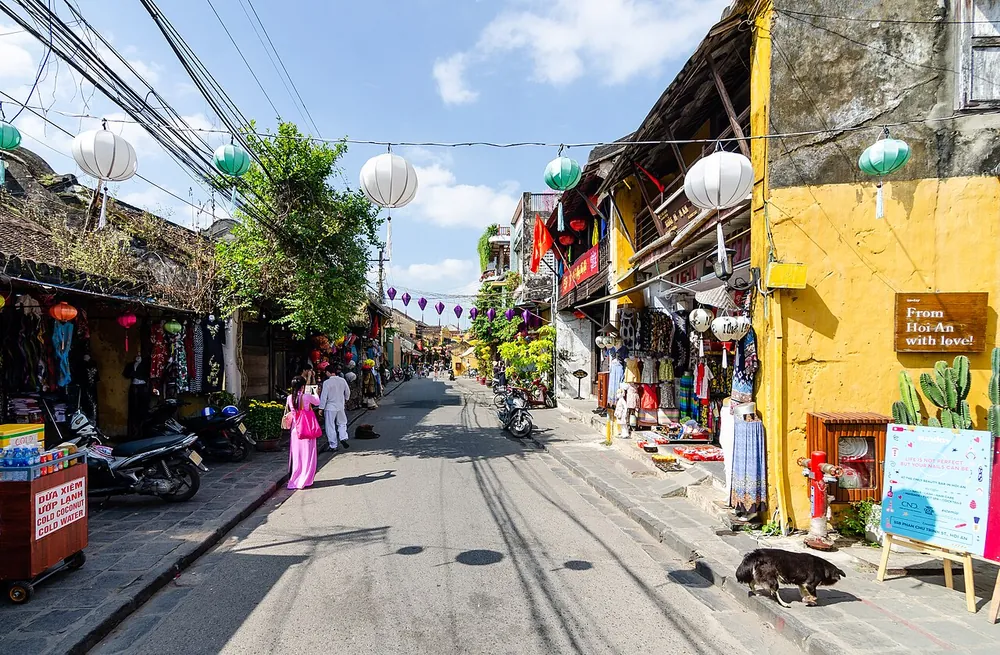
Sleep: Out towards An Bang or the rice fields, not in the old town itself.
Days 14–16 · Ho Chi Minh City & the Mekong
The long sleeper, then the delta
Da Nang to Saigon is the long leg, sixteen hours or so, four-berth soft sleeper. Saigon is faster, richer and less picturesque than Hanoi, and the War Remnants Museum is the thing to do first and not schedule around. Day sixteen goes to the Mekong Delta: Ben Tre rather than My Tho, which is the one the coaches use.

Sleep: District 1 for convenience, District 3 for a city that is not entirely hotels.
Best things to do on this route
If you cut the trip short, these are the ones to keep.
- 01
The Ha Giang loop by easy rider
Three days through the Dong Van karst plateau on the back of a local driver's bike. The best thing in northern Vietnam and not close.
- 02
Trang An by rowing boat
Two hours through flooded caves, rowed by a woman using her feet. Ninh Binh does what Ha Long Bay is supposed to and does it better.
- 03
The Hai Van Pass by train
Hue to Da Nang along the coast. Sit on the left going south and do not read anything.
- 04
Hang Mua at dawn
Five hundred steps for the view over Tam Coc. Go at six and you will have it, go at ten and you will queue on the stairs.
- 05
The War Remnants Museum
Do it first and leave the afternoon empty. It is not a museum you walk out of and go shopping.
- 06
Bun cha in Hanoi
Grilled pork in broth with cold noodles, eaten sitting on a plastic stool. Lunch only. The good places shut by two.
Where to stay
Neighbourhoods rather than specific hotels. Prices move, areas don't.
Hanoi: Old Quarter or Tay Ho
The Old Quarter is the experience and the noise. Tay Ho by the lake is where you go when you have had enough of it.
Ha Giang: homestays on the loop
Included in every tour price. Shared rooms, communal dinners, rice wine you will be offered whether you want it or not.
Ninh Binh: Tam Coc village
Stay in the landscape rather than in Ninh Binh city, which is a transport town with nothing in it.
Hoi An: towards An Bang
The old town empties of residents and fills with day trippers. Ten minutes out by bicycle costs less and sleeps better.
Saigon: District 1 or District 3
District 1 is central and expensive; District 3 is ten minutes away, cheaper, and still a neighbourhood.
What it cost
Per person, 16 days. International flights not included.
| Category | Cost |
|---|---|
| Accommodation: 13 nights, plus 2 on the loop | 10,400,000₫ / $400 |
| Food and drink | 8,000,000₫ / $308 |
| Ha Giang loop: 3 days, guided, all in | 5,200,000₫ / $200 |
| Trains and long-distance buses | 2,400,000₫ / $92 |
| Activities, entry fees and the Ha Giang permit | 2,000,000₫ / $77 |
| Local transport and transfers | 1,500,000₫ / $58 |
| SIM, laundry, everything else | 800,000₫ / $31 |
| Total | 30,300,000₫ / $1,165 |
Converted at 26,010₫ to the dollar, checked 2 September 2026. About $73 a day, inside the $60–100 band mid-range travel in Vietnam runs to. The Ha Giang loop is a sixth of the entire budget on its own and is still the thing to keep. The line below it, 2,400,000₫ for every train and bus across 1,650km, is what makes room for it.
Getting around
Sleeper trains, and which berth
Hanoi to Hue is 700,000₫ in a four-berth soft sleeper, 550,000₫ in a six-berth and 1,100,000₫ for the two-berth VIP. Hanoi all the way to Saigon is 1,200,000₫ four-berth, 900,000₫ six-berth, 1,800,000₫ VIP, and takes 30–36 hours. Take the four-berth: the six is cramped and hot, and the VIP costs more than the comfort is worth on a night train.
The Ha Giang permit is new for 2026
Roughly $10, and required. Organised tours build it into the price and handle it for you. Independent riders must arrange it themselves and should not treat it as optional.
Do not ride the loop yourself unless you can ride
Self-driving is $80–150 against $170–250 for an easy-rider tour where a local drives and you ride pillion. The roads are mountain switchbacks with lorries on them, and your travel insurance requires a licence with a motorcycle endorsement that most visitors do not hold.
No domestic flights on this route
They exist and they are cheap, but every one of them replaces a night you would otherwise sleep on a train with a night in a hotel plus two airport transfers. Over three legs that is most of a day and several hotel nights.
Photos


Packing notes
The things that are annoying to find locally, or that people forget.
- A light waterproof. Central Vietnam has a rainy season that does not care what month the north is having.
- Warm layers for Ha Giang. The plateau is at altitude and cold at night from November to March, and the homestays are not heated.
- A padlock for sleeper compartments and homestay lockers.
- Cash in small notes. Vietnam is increasingly card-friendly in cities and entirely cash-based on the loop.
- Shoes with grip for Hang Mua's five hundred steps and the Ha Giang viewpoints.
- Your motorcycle licence, if there is any chance you will ride rather than sit pillion.
Why Ha Long Bay is not on this route
Because Ninh Binh does the same thing better. The karst landscape is the same geology; the difference is that Ninh Binh is rivers and rice fields seen from a rowing boat, and Ha Long is open water seen from a boat with two hundred other people on it, usually as an overnight cruise you cannot leave.
Ninh Binh is also two hours from Hanoi rather than four, costs a fraction, and you can cycle between the sights. Ha Long is the more famous name and the worse day.
Why the trains and not the flights
Vietnam’s domestic flights are cheap and frequent, and taking them is the most common way to turn sixteen days into eleven days of holiday and five of logistics. Each flight replaces a night you would have slept on a train with a hotel night plus two airport transfers, and Vietnamese airports are not near the cities they serve.
The sleeper is 700,000₫ from Hanoi to Hue. It moves you 700km, gives you a bed, and puts you in the middle of a city at breakfast. Over the whole route, 2,400,000₫, about $92, covers every long-distance journey across the length of the country.
That is the trade this itinerary makes, and it is what pays for three days in Ha Giang.